Tag: modern prophets

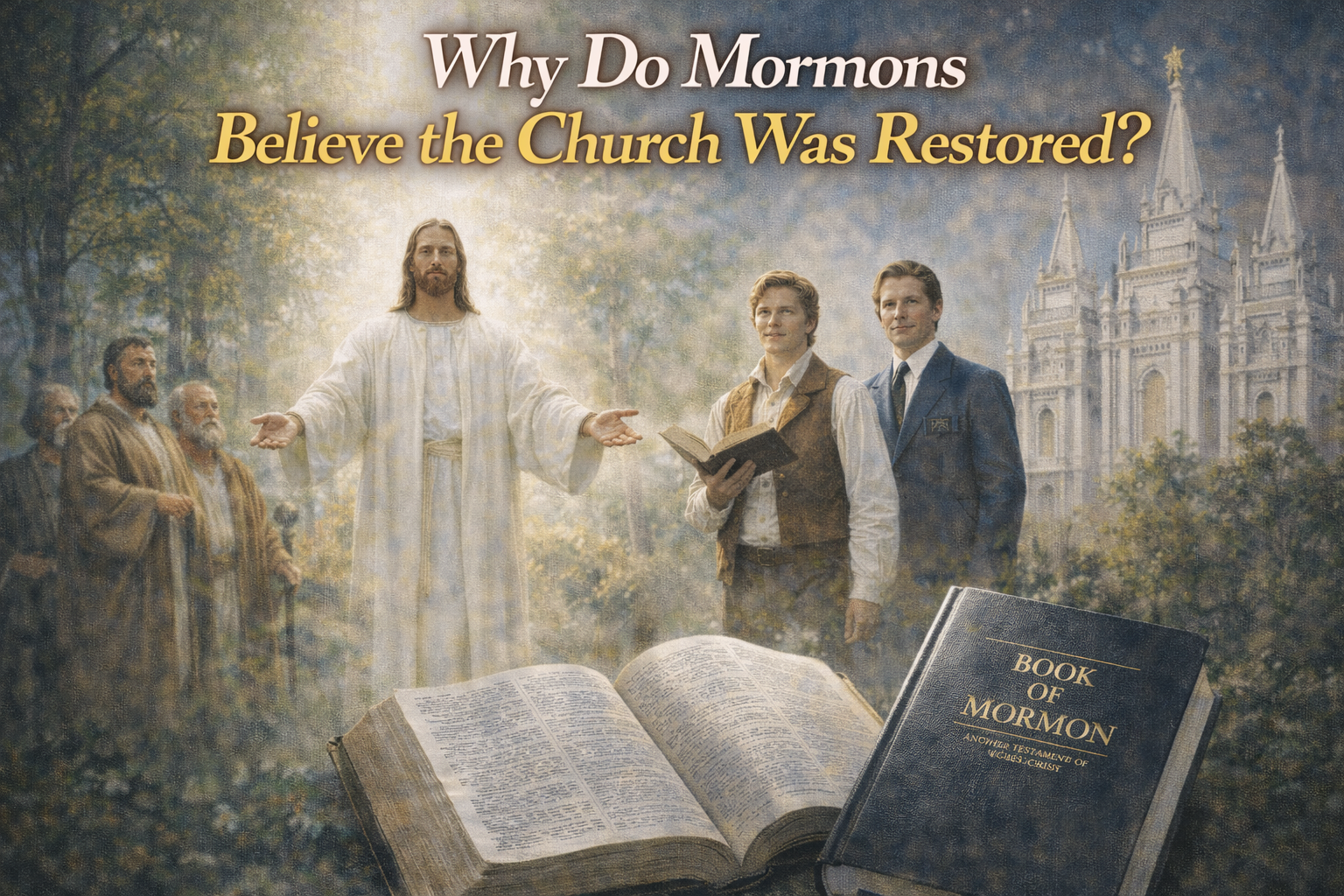
  • Why do Mormons believe the church was restored?

    Why do Mormons believe the church was restored?

    One of the most distinctive beliefs of The Church of Jesus Christ of Latter-day Saints is the conviction that Christ’s original church was restored rather than merely reformed. This belief shapes how Latter-day Saints understand Christianity, history, scripture, authority, and God’s relationship with humanity. To them, the idea of restoration explains why modern prophets exist, why priesthood authority matters, and why additional scripture is accepted alongside the Bible.

    Latter-day Saints do not believe Christianity disappeared after the time of Jesus Christ. They fully acknowledge the faith, devotion, sacrifice, and sincerity of countless Christians throughout history. Instead, they believe that something essential was gradually lost: divine authority and the fullness of doctrine Christ originally established. Restoration, therefore, does not mean replacing Christianity but completing and renewing it through divine action.

    For believers, the Restoration affirms that God is not distant or silent. It teaches that Jesus Christ continues to lead His church and actively guide humanity according to His eternal plan.

    What Is Meant by “Restoration”?

    In Latter-day Saint belief, restoration means bringing back what once existed but was lost or diminished over time. Specifically, it refers to the return of priesthood authority, true doctrine, divine ordinances, and direct revelation that were present in the early Christian church.

    Restoration is fundamentally different from reform. Reform attempts to correct or improve an existing system through human effort. Restoration, by contrast, requires divine intervention. Latter-day Saints believe only God could restore what had been lost.

    Restoring What Was Lost

    According to this belief, Jesus Christ originally organized His church with apostles, prophets, authority, and ordinances. Restoration means reestablishing that same pattern in modern times.

    Christ at the Center

    Restoration is not about Joseph Smith or church structure alone. Jesus Christ remains the foundation, head, and purpose of the restored church. All restored doctrine and authority point back to Him.

    The Early Church Jesus Christ Established

    Latter-day Saints believe Jesus Christ established a clearly organized church during His earthly ministry. He called apostles, gave them authority, taught doctrine, administered ordinances, and promised continued guidance through the Holy Spirit.

    After His resurrection, Christ continued to direct His church through revelation. Apostles taught, baptized, ordained leaders, and resolved doctrinal issues through councils.

    This early church, according to Latter-day Saint belief, was unified by revelation and divine authority rather than written creeds.

    The Apostasy After the Apostles

    Central to the belief in restoration is the idea of a Great Apostasy. Latter-day Saints believe that after the deaths of Christ’s apostles, several factors contributed to the gradual loss of Christ’s original church.

    These factors included persecution, internal disagreements, loss of revelation, and unauthorized changes to doctrine and church governance.

    Loss of Authority

    Without apostles to pass on priesthood authority, Latter-day Saints believe the authority to act in God’s name was no longer present in its original form. While sincere believers remained, the divine authorization Christ established did not continue uninterrupted.

    Sincere Believers Remained

    Importantly, Latter-day Saints do not believe God abandoned humanity during this period. Many faithful Christians loved Christ, lived moral lives, and preserved scripture. The loss was institutional and authoritative, not spiritual sincerity.

    Changes in Doctrine and Practice

    Over centuries, Christian doctrine developed through councils and creeds. Latter-day Saints believe some of these developments represented honest attempts to understand God but were influenced by philosophy, culture, and human reasoning rather than revelation.

    This led to differing interpretations of God’s nature, salvation, and authority.

    Latter-day Saints believe these changes demonstrate the need for divine restoration rather than human reinterpretation.

    Biblical Support for Apostasy

    Latter-day Saints point to several biblical passages they believe predict a falling away from original truth. These passages speak of a departure from doctrine, loss of authority, and spiritual darkness before a future restoration.

    They interpret these scriptures not as condemnation of believers, but as prophecy of historical conditions.

    Warnings From the Apostles

    The New Testament contains warnings from apostles about false teachers, doctrinal corruption, and the loss of truth. Latter-day Saints see these warnings as evidence that apostasy was anticipated.

    Biblical Support for Restoration

    Just as scripture speaks of apostasy, Latter-day Saints believe it also speaks of restoration. They point to prophecies that describe truth being restored, knowledge increasing, and God speaking again in the latter days.

    These passages are interpreted as promises that God would act to restore His church when the time was right.

    Prophecies of Restoration

    Scriptures describing the “restitution of all things” are central to this belief. Restoration is seen as fulfillment, not contradiction, of biblical prophecy.

    Why Restoration Required Divine Action

    Latter-day Saints believe that priesthood authority cannot be claimed, voted on, or inherited. It must be given by God through authorized means.

    Because that authority was lost, only God could restore it. Human reform, no matter how sincere, could not replace divine commission.

    This belief explains why Latter-day Saints emphasize revelation, angels, and divine instruction in the Restoration narrative.

    The Role of Joseph Smith

    Joseph Smith’s role is understood within this framework. Latter-day Saints believe God called him not because of education, power, or ambition, but because of humility and willingness.

    Through visions, revelations, and angelic visitations, they believe Joseph Smith received authority, scripture, and instruction to begin the Restoration.

    Divine Commission

    Joseph Smith did not claim to reform existing churches. He claimed God instructed him to restore Christ’s original church. This distinction is central to understanding Latter-day Saint belief.

    Restoration of Priesthood Authority

    A key element of the Restoration was the return of priesthood authority. Latter-day Saints believe heavenly messengers restored the same authority held by John the Baptist and the apostles of Jesus Christ.

    This authority allows ordinances such as baptism, confirmation, and temple covenants to be performed with divine approval.

    Continuity With Ancient Christianity

    Latter-day Saints believe the restored priesthood is identical in authority to that held in the early Christian church, creating continuity rather than division.

    Restoration of Doctrine

    Along with authority, doctrine was restored. Latter-day Saints believe God revealed truths about His nature, humanity’s divine potential, the plan of salvation, and the role of Jesus Christ.

    They believe these doctrines clarify, rather than contradict, biblical teachings.

    Additional Scripture as Part of Restoration

    The Book of Mormon is viewed as evidence of restoration. Latter-day Saints believe it is another witness of Jesus Christ that confirms the Bible and restores plain and precious truths.

    They believe God has spoken through scripture in many times and places, not just one historical period.

    Organization of the Restored Church

    The Church of Jesus Christ of Latter-day Saints was organized gradually as revelation continued. Leadership offices, councils, quorums, and auxiliaries developed according to divine instruction.

    This structure reflects belief in order, accountability, and shared leadership.

    Continuing Revelation

    Restoration is not viewed as a single historical moment. Latter-day Saints believe God continues to reveal truth through living prophets.

    This allows the Church to remain rooted in eternal doctrine while addressing modern challenges.

    A Living Church

    Revelation is believed to guide doctrine, organization, and practice. This belief distinguishes restoration from a closed historical event.

    Why Restoration Matters for Worship

    Because of restoration, Latter-day Saints believe ordinances performed today are valid and recognized by God. Worship is not symbolic alone, but covenantal and authoritative.

    This gives confidence in baptism, temple worship, and priesthood blessings.

    Why Restoration Matters for Salvation

    Restoration explains why Latter-day Saints emphasize ordinances, authority, and covenants. Salvation, in their belief, involves both faith in Christ and participation in divinely authorized ordinances.

    These ordinances are made available to all people, living and deceased.

    Restoration and God’s Character

    Belief in restoration reflects belief in a God who is loving, patient, and involved. Rather than abandoning humanity after apostasy, God prepared a time for renewal.

    Restoration is seen as evidence of divine compassion and foresight.

    Respect for Other Christians

    A common misunderstanding is that restoration means rejecting all other churches. Latter-day Saints believe many churches teach truth, inspire goodness, and bring people closer to Christ.

    Restoration is about fullness, not exclusivity.

    Restoration and Unity

    Latter-day Saints believe restoration ultimately points toward unity in Christ. Rather than fragmenting Christianity further, restoration is seen as God’s effort to reunite His children under Christ’s leadership.

    Modern Implications of Restoration

    Today, restoration shapes everything from missionary work to family life. It motivates service, outreach, and global growth.

    Believers feel responsibility to share what they believe God has restored.

    Restoration and Personal Faith

    Latter-day Saints emphasize that belief in restoration should be personally confirmed. Individuals are encouraged to study, pray, and seek spiritual confirmation.

    Faith is meant to be personal, not inherited.

    Common Misunderstandings

    One misunderstanding is that restoration claims superiority over others. Latter-day Saints believe restoration is about responsibility, not privilege.

    Another misunderstanding is that restoration dismisses history. Believers see it as fulfillment of history.

    Why This Belief Matters

    Belief in restoration explains the existence of modern prophets, additional scripture, priesthood authority, and temples. It shapes how Latter-day Saints understand God’s ongoing work.

    For believers, restoration offers hope that God continues to speak, guide, and love His children.

    Conclusion

    Latter-day Saints believe the Church was restored because they believe Jesus Christ intended His church to continue with authority, revelation, and ordinances. When those elements were lost, God prepared a time to restore them.

    Restoration is not about rejecting Christianity, but renewing it through divine action. It reflects belief in a living God who continues to guide His church through Jesus Christ.

    For believers, restoration affirms continuity, purpose, and confidence that Christ still leads His church today.

    Sources

    The Church of Jesus Christ of Latter-day Saints – Gospel Topics: Restoration
    https://www.churchofjesuschrist.org

    Joseph Smith Papers – Restoration Documents
    https://www.josephsmithpapers.org

    Doctrine and Covenants Central
    https://doctrineandcovenantscentral.org

    Scripture Central
    https://scripturecentral.org
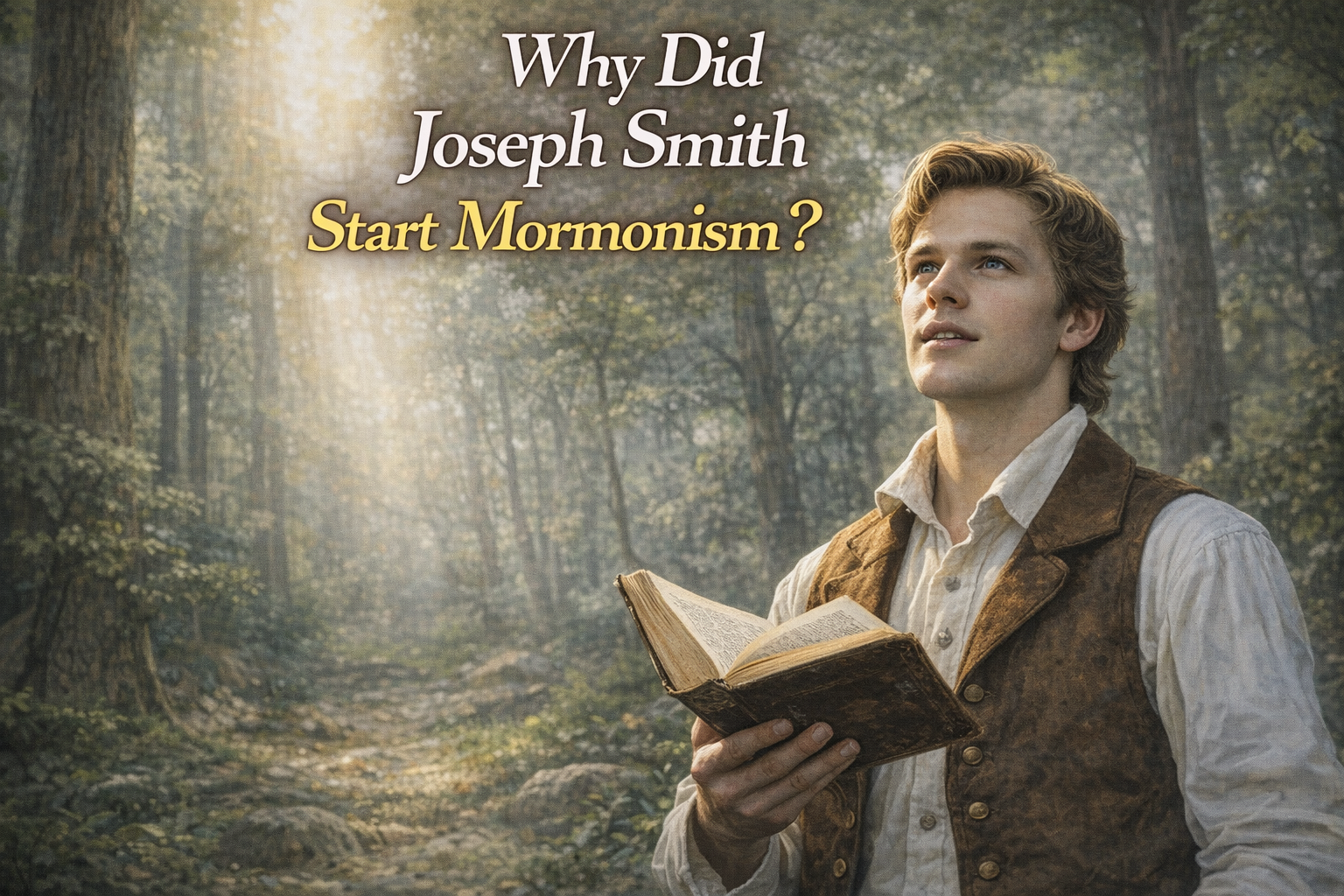
  • Why Did Joseph Smith Start Mormonism?

    Why Did Joseph Smith Start Mormonism?

    From the outside, it can appear that Joseph Smith simply started a new religion in nineteenth-century America. Latter-day Saints, however, understand the origins of Mormonism very differently. They believe Joseph Smith did not set out to create a new faith, denomination, or movement. Instead, they believe he was called by God to restore the original Church of Jesus Christ, which they believe had been lost over time.

    According to Latter-day Saint belief, Mormonism did not begin as an act of rebellion against Christianity, nor as a theological experiment. It began with a sincere question asked by a young man who wanted to know how to follow God correctly. What followed, they believe, was not innovation but restoration—God reestablishing doctrines, authority, and ordinances that existed in the early Christian church but were no longer fully present.

    Joseph Smith is therefore viewed not as the founder of a new religion, but as a prophet called to help restore Christ’s church in preparation for the latter days.

    The Religious World Joseph Smith Inherited

    Joseph Smith was born in 1805 in Vermont and grew up in a time of intense religious enthusiasm known as the Second Great Awakening. Churches were multiplying rapidly across the United States, especially in upstate New York, where Joseph lived. Ministers from different denominations preached passionately, each claiming biblical authority, yet teaching contradictory doctrines.

    Some taught salvation by predestination, others emphasized emotional conversion experiences, and still others stressed strict obedience to creeds and confessions. For many people, this environment was energizing. For Joseph Smith, it was deeply confusing.

    A Young Man With Serious Spiritual Questions

    Latter-day Saints emphasize that Joseph Smith’s motivation was not curiosity or rebellion, but concern for his soul. As a teenager, he attended revival meetings and listened carefully to ministers from different churches. Instead of finding clarity, he found confusion.

    He wanted to know which church taught the truth about God, salvation, and how to live according to God’s will. More importantly, he wanted to know how he personally could be forgiven of sins and be right with God.

    A Sincere Search for Truth

    Joseph Smith did not assume he already knew the answer. He believed God was real, caring, and capable of answering sincere questions. His search was rooted in humility rather than confidence.

    Turning to the Bible

    According to his own account, Joseph was particularly struck by a verse in the New Testament, James 1:5: “If any of you lack wisdom, let him ask of God.” Latter-day Saints believe this verse became the catalyst for everything that followed. Joseph concluded that if God answered prayers in biblical times, He could do so again.

    The First Vision

    Latter-day Saints believe that in the spring of 1820, Joseph Smith prayed to God in a grove of trees near his home, asking which church he should join. In response, he experienced what they call the First Vision.

    According to his account, God the Father and Jesus Christ appeared to him. He was told that none of the existing churches possessed the fullness of Christ’s original church and that he should not join any of them at that time.

    God Speaks Again

    This experience is foundational to Latter-day Saint belief. It represents the conviction that God still speaks, reveals Himself, and responds to sincere prayer. It also marks the beginning of what Latter-day Saints call the Restoration.

    Foundation of the Restoration

    Rather than immediately creating a church, Joseph Smith continued to learn, grow, and receive guidance over time. The Restoration unfolded gradually, not all at once.

    Restoration Rather Than Innovation

    One of the most important distinctions Latter-day Saints make is between restoration and invention. Joseph Smith did not claim to improve Christianity or reform doctrine according to his own ideas. He claimed ancient truths were restored through revelation.

    This included teachings about the nature of God, the role of Jesus Christ, the purpose of life, and the reality of ongoing revelation.

    The Role of Additional Scripture

    Part of the Restoration included the coming forth of the Book of Mormon, which Joseph Smith translated by divine guidance. Latter-day Saints believe it is another testament of Jesus Christ that complements the Bible rather than replacing it.

    They believe its purpose is to clarify doctrine, testify of Christ, and restore truths that were lost or obscured over time.

    Priesthood Authority and Divine Calling

    A central claim of Joseph Smith was that authority to act in God’s name had been lost after the deaths of Christ’s apostles. While sincere believers and spiritual leaders remained, Latter-day Saints believe the original priesthood authority no longer existed on the earth.

    Joseph Smith taught that this authority was restored through heavenly messengers, including John the Baptist and ancient apostles. This restoration of authority, they believe, allowed ordinances such as baptism and confirmation to be performed with divine approval.

    Return of Ancient Authority

    This claim sets Mormonism apart from Protestant reform movements. Rather than reforming existing churches, Joseph Smith taught that God restored something entirely lost.

    Organization of the Church

    The Church of Jesus Christ of Latter-day Saints was formally organized in 1830, ten years after the First Vision. According to Latter-day Saint belief, this organization occurred by divine instruction rather than human planning.

    The Church’s structure, leadership, and practices developed gradually as Joseph Smith continued to receive revelation.

    Order and Revelation

    Rather than following a pre-written constitution or creed, the Church evolved through guidance believed to come from God. This reinforced the belief that Christ Himself directs His church.

    Growth and Early Converts

    Early converts joined not because of social advantage, but often at great personal cost. Many faced ridicule, loss of employment, and estrangement from family. Latter-day Saints argue this challenges the idea that Mormonism spread through manipulation or coercion.

    People joined because they believed the message was true and that Joseph Smith was a prophet of God.

    Opposition and Persecution

    From the beginning, Joseph Smith and early members faced intense opposition. Newspapers mocked them, ministers denounced them, and mobs attacked them. Joseph Smith was arrested repeatedly, often without conviction.

    He spent months in jail, lost property, and was forced to move repeatedly to escape violence.

    Sacrifice and Commitment

    Latter-day Saints point out that Joseph Smith gained no lasting wealth, security, or comfort from his role. Instead, he endured hardship and danger throughout his life.

    Martyrdom and Final Testimony

    In 1844, Joseph Smith was killed by a mob while imprisoned in Carthage, Illinois. Latter-day Saints refer to his death as martyrdom, believing he died because of his testimony of Jesus Christ and the Restoration.

    They argue that few people would endure such suffering and death for something they knew to be false.

    Common Misunderstandings About Joseph Smith

    A frequent accusation is that Joseph Smith invented Mormonism for power or control. Latter-day Saints counter this by pointing to his lack of personal gain and the intense persecution he endured.

    Another misunderstanding is that Mormonism rejected Christianity. Latter-day Saints emphasize that Jesus Christ is central to all their doctrine, worship, and scripture.

    Christianity at the Center

    Joseph Smith taught more about Jesus Christ than about himself. His sermons, revelations, and writings consistently focused on Christ’s role as Savior, Redeemer, and Son of God.

    Latter-day Saints believe the Restoration was meant to bring people closer to Christ, not away from Him.

    Why This Belief Matters

    Belief that Joseph Smith was called by God underpins all Latter-day Saint doctrine. It explains belief in modern prophets, continuing revelation, restored priesthood authority, temples, and additional scripture.

    Without Joseph Smith’s calling, these beliefs would have no foundation.

    Implications for Modern Believers

    For Latter-day Saints today, Joseph Smith’s role confirms that God is not distant or silent. They believe God still guides His church, responds to prayer, and reveals truth according to humanity’s needs.

    This belief gives meaning to worship, confidence in ordinances, and hope for divine guidance in a complex world.

    Faith and Personal Confirmation

    Latter-day Saints emphasize that belief in Joseph Smith is not meant to be blind or inherited. Individuals are encouraged to study, pray, and seek personal confirmation from God.

    Faith, they believe, must be personal and sincere.

    Conclusion

    Joseph Smith did not start Mormonism because he wanted power, fame, or influence. According to Latter-day Saints, he acted because he believed God called him to restore what had been lost—the Church Jesus Christ originally established.

    Whether one accepts this claim or not, understanding Mormonism requires understanding this foundational belief. For Latter-day Saints, Joseph Smith was not a religious innovator, but a reluctant prophet who responded to divine calling at great personal cost.

    Their faith rests not in Joseph Smith himself, but in the God they believe spoke to him and continues to guide His church today through Jesus Christ.

    Sources

    The Church of Jesus Christ of Latter-day Saints – Gospel Topics: Joseph Smith
    https://www.churchofjesuschrist.org

    Joseph Smith Papers – Foundational Documents
    https://www.josephsmithpapers.org

    BYU Studies – Early Church History
    https://byustudies.byu.edu

    Scripture Central
    https://scripturecentral.org

  • Why Do Mormons Dress Conservatively?

    Why Do Mormons Dress Conservatively?

    In many societies today, clothing is often used as a form of self-expression, rebellion, identity construction, or social signaling. Fashion trends change quickly, and what people wear is frequently tied to popularity, status, or personal branding. Against this backdrop, Latter-day Saints often stand out for dressing more conservatively than those around them. This difference can spark curiosity, admiration, confusion, or even criticism.

    Why do Mormons dress conservatively? Is it about rules, control, or fear of modern culture? Or does it reflect something deeper?

    For Latter-day Saints, conservative dress is not primarily about restriction or conformity. It flows from deeply held beliefs about the body, identity, dignity, and discipleship. Clothing is understood as more than fabric and fashion—it is a form of communication that reflects values, priorities, and how one understands their relationship with God.

    Modesty, in Latter-day Saint belief, is not simply about covering certain parts of the body. It is an outward expression of inner convictions about self-respect, reverence, and the sacred nature of human life. The way one dresses is connected to how one sees themselves, others, and God.

    Understanding why Mormons dress conservatively requires looking beyond appearances and exploring how theology, identity, culture, agency, and faith intersect in everyday life.

    Respect for the Body

    One of the most fundamental reasons Latter-day Saints dress conservatively is their belief that the human body is sacred. They believe the body is not an accident of biology, but a divine gift with eternal significance.

    In Latter-day Saint theology, the body plays a central role in God’s plan. It allows individuals to experience life, form relationships, serve others, and progress spiritually. Because of this, the body is treated with reverence rather than treated as a commodity or object.

    Clothing becomes one way to express this respect.

    The Body as Sacred

    Latter-day Saints believe that God created the human body intentionally and lovingly. The body is essential for personal identity and eternal progression.

    Rather than seeing the body as something to exploit, display, or manipulate for attention, members are encouraged to see it as something to care for, protect, and honor.

    This belief naturally influences how individuals choose to dress.

    Reverence Through Appearance

    Clothing is viewed as a form of nonverbal communication. What someone wears can signal how they see themselves and how they wish to be treated.

    Dressing modestly is understood as a way of expressing gratitude for the body rather than drawing undue attention to it. The goal is not invisibility, but reverence.

    Conservative dress becomes an outward sign of inward respect.

    Modesty as an Inner Principle

    A common misconception is that modesty is merely a list of clothing rules. Latter-day Saints teach modesty as an internal principle before it is an external practice.

    At its core, modesty is about humility, self-respect, and intentional living. Clothing is only one expression of that principle.

    This perspective shifts modesty away from restriction and toward purpose.

    More Than Clothing

    Modesty includes how individuals speak, behave, and interact with others. Language, attitude, and treatment of others are considered just as important as dress.

    A person can dress modestly and still lack humility, kindness, or respect. For this reason, modesty is framed as a character trait rather than a fashion guideline.

    Clothing becomes meaningful when it reflects inner values.

    Confidence Without Exhibition

    Latter-day Saints emphasize that confidence does not need to come from exhibition or attention-seeking. Self-worth is believed to come from divine identity, not from physical display.

    Modest dress is seen as a way to express confidence rooted in character rather than appearance. It sends the message that value is intrinsic, not earned through attractiveness or trendiness.

    This approach can be empowering rather than limiting.

    Cultural and Religious Standards

    Over time, shared beliefs naturally create shared cultural norms. In Latter-day Saint communities, modest dress becomes part of the culture—not because it is strictly enforced, but because it reflects collective values.

    These standards are learned through family, community interaction, and religious teaching rather than through constant correction or punishment.

    Shared Values

    When people believe similar things about dignity, respect, and discipleship, they tend to make similar choices. This creates cultural patterns that are recognizable.

    Standards of modest dress vary across cultures, climates, and generations. What remains consistent is the underlying principle of respect.

    Culture reflects belief lived repeatedly.

    Focus on Identity Over Appearance

    A central reason Latter-day Saints dress conservatively is their emphasis on identity. They believe identity comes from being children of God, not from physical appearance, fashion trends, or external validation.

    When identity is grounded in something eternal, appearance takes on a secondary role.

    Worth Beyond Looks

    Latter-day Saints teach that personal worth is inherent and unchanging. It is not increased by beauty, popularity, or attention, nor diminished by age or imperfection.

    Dressing modestly reinforces this belief by shifting focus away from the body as a primary source of value.

    This message can be especially meaningful in cultures that place heavy pressure on appearance.

    Reducing Objectification

    Another important aspect of modest dress is the desire to reduce objectification. Latter-day Saints believe people should be valued for who they are, not for how their bodies are perceived.

    Objectification can distort relationships, create unrealistic expectations, and reduce individuals to physical traits.

    Modest dress is intended to foster environments of mutual respect.

    Mutual Respect

    This principle applies to both men and women. Modesty is not framed as a burden placed on one gender, but as a shared responsibility to promote dignity and respect.

    By dressing in ways that emphasize personhood rather than sexuality, members seek to interact with others as whole individuals.

    The goal is healthier, more respectful relationships.

    Temple and Sacred Clothing

    In sacred settings such as temples, conservative and formal dress takes on additional meaning. Clothing in these contexts symbolizes reverence, commitment, and respect for holy spaces.

    Just as people dress differently for weddings, funerals, or formal ceremonies, temple clothing reflects awareness of sacred purpose.

    Sacred Contexts

    Temples are considered the most sacred spaces in Latter-day Saint worship. Dressing modestly and respectfully in these settings is seen as an act of worship itself.

    Clothing becomes symbolic, reinforcing the connection between outward action and inner devotion.

    This reinforces the idea that dress can be spiritually meaningful.

    Personal Agency and Choice

    Although modesty is taught, Latter-day Saints strongly emphasize personal agency. Individuals are responsible for applying principles according to their understanding, circumstances, and growth.

    Modesty is considered meaningful only when it is freely chosen.

    Voluntary Expression

    There is no spiritual value in forced conformity. Latter-day Saints believe God values sincere intent over external compliance.

    Members are encouraged to develop personal conviction rather than dress a certain way out of fear or pressure.

    Agency ensures authenticity.

    Common Misunderstandings

    A common misunderstanding is that conservative dress is meant to control or shame individuals, especially women. Latter-day Saints emphasize dignity, choice, and respect rather than coercion.

    Another misunderstanding is that modesty eliminates individuality. In reality, many members express creativity, personality, and style within modest standards.

    Modesty does not mean uniformity.

    Why This Belief Matters

    Dressing conservatively reflects a desire to live intentionally and align outward behavior with inner faith. It encourages dignity, self-respect, and thoughtful interaction with others.

    For Latter-day Saints, modest dress is not about being old-fashioned or judgmental. It is about honoring God, respecting the body, and reinforcing identity rooted in faith rather than appearance.

    In a world often focused on image and performance, conservative dress becomes a quiet statement of purpose, values, and discipleship lived day by day.

    Sources

    The Church of Jesus Christ of Latter-day Saints – Gospel Topics: Modesty
    https://www.churchofjesuschrist.org

    Church News – Modesty and Self-Respect
    https://www.thechurchnews.com

    Scripture Central – Body and Discipleship
    https://scripturecentral.org

  • Why Do Mormons Believe in Modern Prophets? The Truth Explained

    Why Do Mormons Believe in Modern Prophets? The Truth Explained

    Introduction

    Modern prophets

    Members of The Church of Jesus Christ of Latter-day Saints believe that God still speaks to humanity today. They believe He does this through living prophets, just as He did in biblical times. This belief shapes how Latter-day Saints understand revelation, guidance, authority, and God’s continuing involvement in the modern world.

    For Latter-day Saints, prophets do not replace Jesus Christ. Instead, they are witnesses of Jesus Christ, called to teach His gospel, testify of His reality, and guide the Church according to God’s will in changing circumstances.

    Belief in modern prophetic guidance reassures members that God is not distant or silent, but actively involved in the lives of His children.

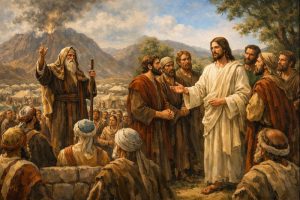
    Biblical prophets and apostles teaching God’s people

    Modern Prophets

    In Latter-day Saint belief, a prophet is a person called by God to speak on His behalf. Living prophets teach eternal truths, warn against spiritual dangers, invite people to repent, and provide inspired direction for God’s people.

    Latter-day Saints also believe prophetic leaders can receive revelation for the Church as a whole. This includes clarifying doctrine, responding to moral and social challenges, and helping the Church remain centered on Jesus Christ while navigating modern life.

    Importantly, prophetic leadership is not political or predictive in nature. Its primary role is spiritual—to testify of Christ and guide people toward Him.

    What Are Living Prophets?

    A living prophet is understood as someone who receives divine guidance to lead God’s people in the present day. This belief reflects confidence that God’s communication with humanity did not end in ancient times.

    Through continuing revelation, prophetic leaders address new questions and circumstances while remaining faithful to eternal gospel principles.

    Biblical Foundation for Prophets

    The belief in prophetic leadership is deeply rooted in the Bible. Throughout the Old Testament, God guided His covenant people through prophets such as Moses, Isaiah, Jeremiah, Ezekiel, and many others. These individuals were not merely religious teachers; they were called to declare God’s word and lead people toward righteousness.

    The Bible teaches that God reveals His will through prophets. Amos 3:7 states that the Lord reveals His purposes to His servants the prophets, showing that prophecy is part of God’s established pattern for guiding His people.

    God’s consistent use of prophets demonstrates a stable pattern of divine communication across generations.

    Prophets in the Old and New Testament

    The New Testament also affirms prophetic and apostolic leadership. Jesus Christ personally called apostles, gave them authority, and promised divine guidance through the Holy Spirit. After His resurrection, He continued to instruct and lead His Church through authorized servants.

    Latter-day Saints see this pattern as evidence that God intended His Church to be guided by revelation rather than left solely to human interpretation. Jesus promised that the Holy Ghost would guide His followers into all truth, reinforcing belief in ongoing divine guidance.

    Joseph Smith and the Restoration

    Latter-day Saints believe that after the death of the original apostles, priesthood authority and many gospel truths were gradually lost or altered, a period commonly referred to as the Great Apostasy. While sincere believers preserved faith in Christ, Latter-day Saints believe divine authority and full revelation were no longer present.

    They believe God restored the fullness of the gospel through Joseph Smith, whom they sustain as a prophet. Rather than viewing this as the creation of a new religion, Latter-day Saints see the Restoration as the reestablishment of Christ’s original Church, including priesthood authority, ordinances, and modern prophetic authority.

    The First Vision

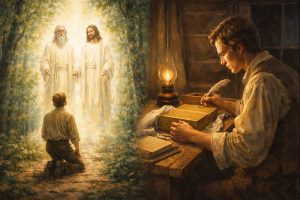
    Joseph Smith’s First Vision and the Restoration of modern prophecy

    Joseph Smith’s prophetic calling is closely connected to his account of the First Vision, in which he testified that he saw God the Father and Jesus Christ. Latter-day Saints believe this event marked the beginning of the Restoration and confirmed that God continues to reveal Himself to humanity.

    The First Vision is foundational because it affirms that God speaks, answers prayers, and calls prophets in the modern era.

    Living Prophets Today

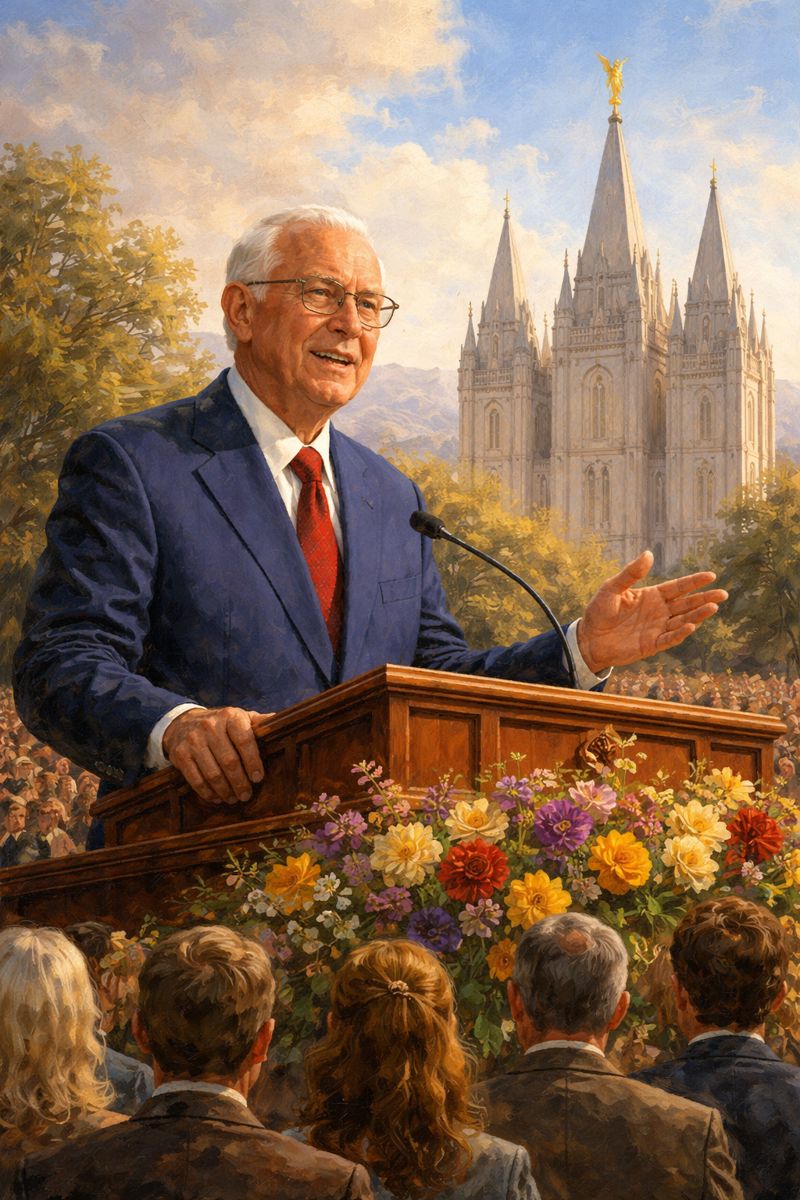
    Latter-day Saints believe God continues to call prophets today and that the President of the Church is sustained as a prophet, seer, and revelator. In their understanding, modern prophetic leadership provides inspired counsel, doctrinal clarity, and guidance suited to contemporary circumstances.

    This belief allows the Church to address modern challenges while remaining anchored in eternal gospel truths.

    Role of the President of the Church

    The President of the Church is not believed to be infallible. Latter-day Saints acknowledge that prophets are human and capable of mistakes. However, they believe prophets are called by God and receive revelation to guide the Church according to His will.

    Members sustain the President of the Church and other leaders through a public vote, symbolizing unity, trust, and shared commitment.

    How Prophets Guide Members Today

    Prophetic guidance today often focuses on strengthening families, encouraging moral living, promoting service, supporting mental and spiritual well-being, and helping individuals remain faithful during uncertain times.

    For many Latter-day Saints, living prophetic counsel provides reassurance and direction while keeping Jesus Christ at the center of their faith.

    Common Misunderstandings

    A common misunderstanding is that Latter-day Saints follow prophets instead of Jesus Christ. In reality, they believe prophets are servants of Christ whose role is to point people to Him.

    Another misunderstanding is that continuing revelation leads to constant doctrinal change. Latter-day Saints believe revelation builds upon eternal truths, offering clarification and application without contradicting foundational principles.

    Why This Belief Matters

    Belief in modern prophets reassures Latter-day Saints that God has not abandoned His children. It reinforces the idea that God answers prayers, provides guidance, and leads His Church today.

    Ultimately, prophets exist to invite all people to come unto Jesus Christ, follow His teachings, and receive His saving power.

    Sources

    The Church of Jesus Christ of Latter-day Saints – Gospel Topics: Prophets
    https://www.churchofjesuschrist.org

    Gospel Topics Essays – Prophets
    https://www.churchofjesuschrist.org/study/manual/gospel-topics-essays/prophets?lang=eng

    Scripture Central
    https://scripturecentral.org