Author: Milagre Muchocho

  • Why did the church change its name usage?

    Why did the church change its name usage?

    Why did the church change its name usage?

    Why Do Mormons Believe They Are the True Church?

    Introduction

    The idea of a church claiming to be “the true Church.” often makes people uncomfortable. In a world shaped by religious diversity, interfaith dialogue, and personal spirituality, such a claim can sound arrogant, dismissive, or even divisive. When Latter-day Saints say they believe they belong to the true Church of Jesus Christ, many assume this means they see themselves as morally superior or believe everyone else is wrong.

    For members of The Church of Jesus Christ of Latter-day Saints, however, the meaning of “true Church” is far more specific and theological than personal or cultural. It is not a statement about who is good, sincere, or loved by God. Instead, it is a belief about authority, divine organization, restored ordinances, and God’s active involvement in guiding His church on earth.

    Latter-day Saints believe they belong to the true Church of Jesus Christ because they believe that Jesus Christ Himself restored His original church through divine revelation, priesthood authority, and living prophets. This belief centers on continuity with the New Testament church, not superiority over other Christians.

    In this context, “true” refers to divine authorization and completeness of doctrine, not to the value or sincerity of individuals in other faith traditions. Understanding this belief requires unpacking what Latter-day Saints mean by “true,” why they emphasize restoration rather than reformation, and how this doctrine coexists with respect, humility, and compassion toward others.

    What Does “True Church” Mean to Latter-day Saints?

    In Latter-day Saint belief, the true Church is defined by its origin and authority, not by the moral perfection of its members. A true church is one that Jesus Christ personally established, authorized, and continues to guide.

    This definition includes several essential elements. First, the church must possess priesthood authority—the divine right to act in God’s name. Second, it must administer ordinances that are valid and binding in God’s eyes. Third, it must receive ongoing revelation so that God can guide His people in changing circumstances.

    Truth, therefore, is institutional and doctrinal rather than personal. Latter-day Saints do not believe that membership automatically makes someone righteous, nor do they believe that people outside their church lack faith or goodness.

    Authority and Ordinances

    A central feature of what makes a church “true” in Latter-day Saint belief is authority. Authority is understood as power delegated by God, not assumed by individuals or institutions.

    This authority is required to perform ordinances such as baptism, confirmation, and other sacred rites believed to be necessary for salvation. Without proper authority, ordinances may be sincere and meaningful, but they are not believed to be divinely binding.

    For Latter-day Saints, authority connects modern religious practice directly to Jesus Christ and His apostles.

    Completeness of Doctrine

    Another defining feature of the true Church is doctrinal completeness. Latter-day Saints believe all essential teachings and ordinances must be present, not partially recovered or symbolically preserved.

    This includes teachings about God, Jesus Christ, salvation, covenants, priesthood, and eternal family relationships. Completeness does not mean that every truth is fully understood, but that the core framework God intends for His church is in place.

    From this perspective, truth is cumulative and revealed progressively through divine guidance.

    Restoration Rather Than Reformation

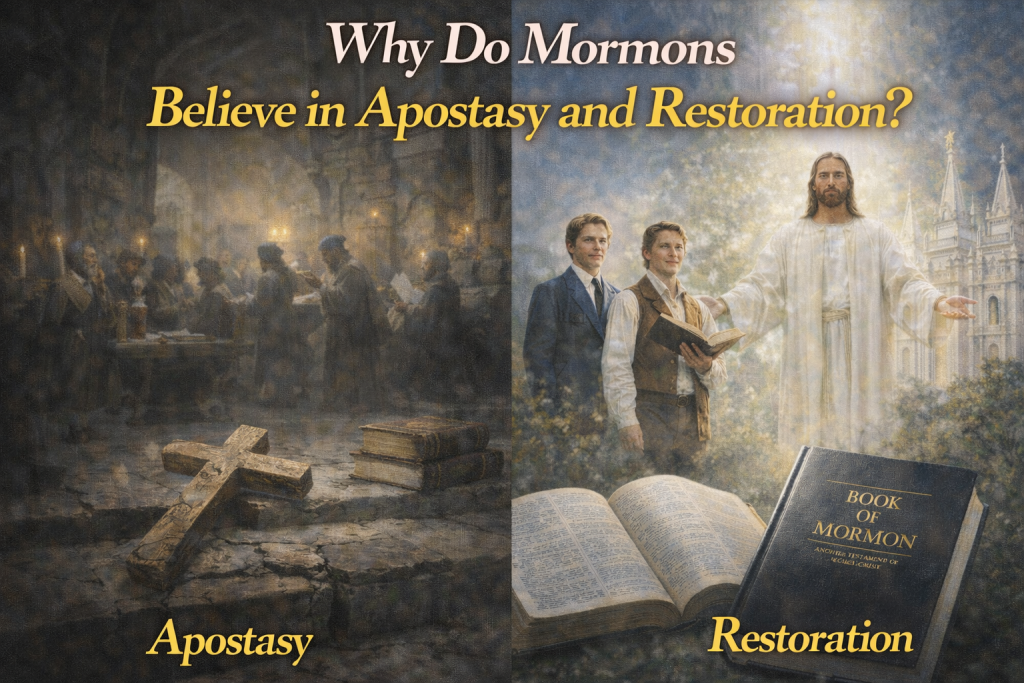
    One of the most distinctive beliefs of Latter-day Saints is that the true Church did not simply evolve or reform over time, but was restored by God after a period of apostasy. Apostasy refers to the loss of divine authority and doctrinal clarity following the deaths of Christ’s original apostles.

    Rather than believing the true Church continued uninterrupted through history, Latter-day Saints believe it was lost and later restored through revelation.

    This belief sets the Restoration apart from movements that sought to reform existing Christian institutions.

    Divine Initiative

    According to Latter-day Saint belief, the Restoration began with God reaching out to humanity, not humans rediscovering truth on their own. God initiated the process by calling a prophet and restoring authority, doctrine, and ordinances.

    This emphasis on divine initiative reinforces the belief that the Church exists because of revelation rather than historical development.

    The Restoration is understood as an act of divine mercy rather than human correction.

    Not a Human Movement

    Because the Church is believed to have been restored by God, not created by reformers, its authority does not rest on tradition, scholarship, or popular support.

    Latter-day Saints believe this explains why new scripture, modern prophets, and continuing revelation are necessary. A restored church must be guided the same way the original church was guided—by God speaking to chosen servants.

    Role of Priesthood Authority

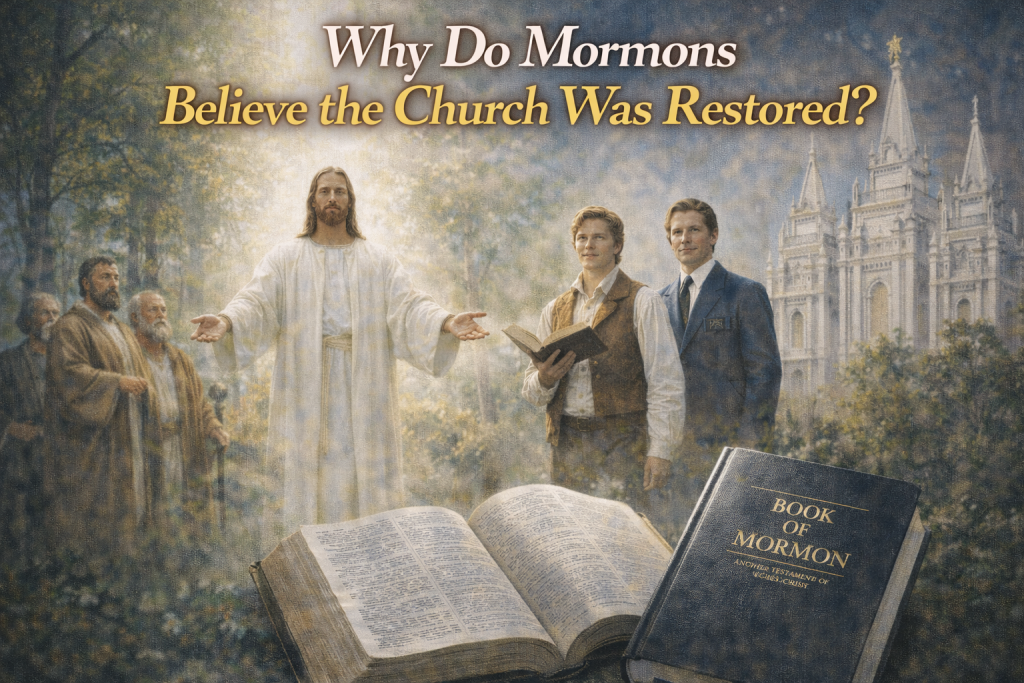
    Priesthood authority is one of the strongest reasons Latter-day Saints believe their church is the true Church of Jesus Christ. They believe this authority was originally given by Christ to His apostles and later restored through heavenly messengers.

    Authority is transmitted through ordination, not assumed through position or education.

    Without this authority, ordinances are believed to lack eternal binding power.

    Authority Passed by Ordination

    Latter-day Saints believe priesthood authority is passed from one person to another through ordination, following a chain that traces back to Jesus Christ.

    This belief mirrors New Testament patterns in which apostles conferred authority through the laying on of hands.

    Authority is therefore something received, not claimed. This transmission ensures continuity between Christ’s original church and the restored Church today.

    Living Prophets and Ongoing Revelation

    Another defining belief is that a true church must have living prophets. Latter-day Saints believe God continues to speak and guide His church in modern times.

    Revelation did not end with the Bible. Instead, it continues according to God’s will and humanity’s needs.

    This belief allows the Church to remain responsive to contemporary issues while remaining anchored in eternal principles.

    God Still Speaks

    Latter-day Saints believe a silent God would contradict the idea of a living church. If God is actively involved in human history, He must be able to guide His people today.

    Living prophets provide direction, correction, and reassurance. They do not replace scripture but help apply eternal truths to modern contexts.

    Guidance for a Living Church

    A living church faces challenges unknown to ancient societies. Ongoing revelation allows God to address new circumstances without abandoning core doctrine.

    This balance between continuity and adaptation is seen as evidence of divine guidance rather than institutional rigidity.

    Respect for Other Christian Churches

    Despite believing they belong to the true Church, Latter-day Saints emphasize respect for other Christian churches. They believe truth, goodness, and inspiration exist throughout Christianity.

    Other churches are seen as sincere, faithful communities that teach moral truth and devotion to Jesus Christ.

    Claiming institutional truth does not mean denying spiritual value elsewhere.

    Truth Exists Elsewhere

    Latter-day Saints believe God works through many people and institutions. Inspiration, moral goodness, and spiritual insight are not limited to one church.

    This belief encourages humility and cooperation rather than hostility or isolation.

    Members are taught to honor faith wherever it is found.

    Individual Salvation and God’s Mercy

    Latter-day Saints strongly reject the idea that salvation is limited only to members of their church. They believe God judges individuals based on their hearts, actions, and opportunities—not solely on church affiliation.

    They also believe God provides opportunities for all people to accept truth, either in this life or the next.

    This belief balances claims of institutional truth with divine compassion.

    God Is Just and Merciful

    God’s justice ensures fairness, while His mercy ensures opportunity. Latter-day Saints believe no one is condemned for circumstances beyond their control.

    This view prevents the doctrine of the true Church from becoming a tool of condemnation.

    Personal Confirmation Through Revelation

    Latter-day Saints are not asked to accept the Church’s truthfulness blindly. Members are encouraged to seek personal confirmation through prayer and spiritual experience.

    Faith is meant to be grounded in individual revelation, not only institutional claims.

    Ask and Receive

    Individuals are encouraged to ask God directly whether the Church is true. This personal confirmation is considered essential to genuine conviction.

    Truth, in this sense, is both revealed and experienced.

    Common Misunderstandings

    A common misunderstanding is that claiming to be the true Church means rejecting all others. Latter-day Saints explicitly reject this interpretation.

    Another misunderstanding is that this belief promotes arrogance or exclusivity. Church teachings emphasize humility, service, and respect.

    The doctrine is about God’s actions, not human superiority.

    Why This Belief Matters

    Believing the Church is the true Church gives meaning to ordinances, authority, and revelation. It explains why Latter-day Saints emphasize covenants, priesthood, and prophetic guidance.

    For believers, this doctrine affirms that God has not abandoned humanity. He continues to speak, guide, and organize His church through Jesus Christ.

    Ultimately, the belief is not about winning arguments, but about trusting that God is still involved in human history and invites all people to come unto Christ.

    Sources

    The Church of Jesus Christ of Latter-day Saints – Gospel Topics: The Church of Jesus Christ
    https://www.churchofjesuschrist.org

    Joseph Smith Papers – Restoration and Authority
    https://www.josephsmithpapers.org

    Doctrine and Covenants Central – Restoration Doctrine
    https://doctrineandcovenantscentral.org

    Scripture Central
    https://scripturecentral.org

  • Why Do Mormons Emphasize Obedience to Church Leaders?

    Why Do Mormons Emphasize Obedience to Church Leaders?

    Why Do Mormons Emphasize Obedience to Church Leaders?

    Introduction

    In cultures that highly value individual autonomy, skepticism toward authority is common. Many people are cautious—sometimes rightly so—about institutions or leaders claiming influence over belief or behavior. Because of this, outsiders often notice that Latter-day Saints speak frequently about sustaining and following Church leaders and wonder what that obedience really means. Is it blind loyalty? Is questioning discouraged? Are leaders placed above personal conscience?

    Latter-day Saints generally understand obedience to Church leaders very differently from these assumptions. For them, obedience is not about surrendering thought, conscience, or personal responsibility. It is rooted in a belief that God actively guides His Church through inspired servants and that following that guidance—when confirmed personally—leads to unity, protection, and spiritual growth.

    Importantly, obedience to leaders is not viewed as replacing obedience to God. In fact, Latter-day Saints believe obedience to leadership is meaningful only insofar as it reflects trust in God’s direction. Leaders are seen as instruments, not objects of devotion. Christ, not any human leader, is believed to be the head of the Church.

    Understanding why Mormons emphasize obedience to Church leaders requires examining how they understand divine calling, agency, imperfection, unity, accountability, and personal revelation within a faith community.

    Belief in Divine Calling

    A foundational reason Latter-day Saints emphasize obedience to Church leaders is their belief that leaders are divinely called. Leadership is not viewed as a career path, political victory, or result of ambition. Instead, leaders are believed to be chosen through revelation.

    Church leaders are selected through a process that includes prayer, spiritual confirmation, and sustaining by the membership. This process reinforces the belief that leadership is a sacred responsibility rather than a position of power.

    Called, Not Chosen by Ambition

    In Latter-day Saint culture, leadership is understood primarily as service. Leaders are expected to sacrifice time, energy, and personal comfort to care for others. Most leaders serve voluntarily, without pay, alongside full-time jobs and family responsibilities.

    This understanding helps frame obedience not as submission to authority figures seeking power, but as cooperation with servants called to minister.

    Leadership is associated with accountability, not privilege.

    Sustaining as Support

    Members “sustain” leaders through a public expression of support. Sustaining is not merely symbolic; it represents willingness to cooperate, pray for leaders, and work alongside them.

    Sustaining does not mean believing leaders are perfect or agreeing with every decision instinctively. It means supporting their calling and trusting God’s process.

    Obedience Rooted in Agency

    A key distinction in Latter-day Saint belief is that obedience is voluntary. Members are not expected to follow leaders mechanically or unthinkingly. Instead, they are encouraged to seek personal spiritual confirmation.

    Personal revelation is viewed as an essential safeguard that balances leadership authority.

    Personal Confirmation

    Latter-day Saints are taught to pray about counsel they receive from leaders. If guidance aligns with God’s will, they believe individuals can receive confirmation through personal revelation.

    This expectation preserves moral agency and individual accountability. Members are responsible for their own choices, even when those choices involve following counsel.

    Obedience without personal conviction is considered spiritually hollow.

    Faith and Choice

    Faith-based obedience requires choice. Latter-day Saints believe God honors agency so deeply that He does not compel obedience.

    When members choose to follow leadership counsel, they do so as an act of faith, not compulsion. This preserves dignity and moral responsibility.

    Obedience is meaningful precisely because it is chosen.

    Leaders as Imperfect Servants

    Another essential aspect of Latter-day Saint belief is the acknowledgment that leaders are human and imperfect. Obedience does not imply belief in infallibility.

    Leaders are expected to rely on God because they lack personal perfection.

    Humility in Leadership

    Church leaders regularly acknowledge their limitations. They emphasize prayer, counsel, and reliance on revelation rather than personal expertise.

    This humility is built into Church culture. Leaders are encouraged to listen, seek guidance, and correct mistakes when necessary.

    Members are taught to respect leaders while recognizing human weakness.

    Unity and Order

    One of the practical reasons obedience to leadership is emphasized is unity. With millions of members worldwide, shared direction allows the Church to function cohesively.

    Unity is not seen as organizational convenience alone, but as a spiritual principle.

    One Church Worldwide

    Shared guidance helps ensure that members across cultures worship with common purpose. While local customs differ, core practices and teachings remain unified.

    This unity reduces fragmentation and doctrinal confusion. It allows a global faith community to act together rather than splinter.

    Unity is viewed as a strength that magnifies individual efforts.

    Leadership and Accountability

    Contrary to assumptions about centralized power, Church leadership operates within councils and systems of accountability. Decisions are rarely made by one individual alone.

    Leadership is collaborative.

    Counsel Together

    Leaders at every level are encouraged to counsel together, listen to multiple perspectives, and seek consensus. This process reduces personal bias and increases humility.

    Councils are designed to ensure that no single voice dominates decision-making.

    Structure limits authoritarianism rather than enabling it.

    Obedience and Personal Growth

    Latter-day Saints also believe obedience contributes to personal growth. Acting on inspired counsel can develop trust, patience, and humility.

    Growth often comes through practice rather than understanding alone.

    Learning Through Action

    Some spiritual lessons are learned only by acting in faith. Following guidance can stretch comfort zones and refine character.

    Members believe that as they act on counsel, understanding often follows.

    Obedience becomes a learning process rather than blind submission.

    Compassion and Flexibility

    While obedience is emphasized, compassion is central. Leaders are taught to apply policies with sensitivity and awareness of individual circumstances.

    Rules are not meant to override human needs.

    Christlike Leadership

    Leaders are instructed to lead as Christ would—through love, patience, and understanding. Mercy is considered essential to righteous leadership.

    Obedience does not replace empathy. Structure does not eliminate compassion.

    People are always prioritized over policies.

    Common Misunderstandings

    A common misunderstanding is that obedience suppresses critical thinking. In reality, Latter-day Saints emphasize personal revelation, conscience, and moral responsibility.

    Another misunderstanding is that Church leaders replace Christ. Members believe Jesus Christ remains the head of the Church and the ultimate source of authority.

    Leaders point to Christ, not themselves.

    Why This Belief Matters

    Emphasizing obedience to Church leaders fosters unity, trust, and spiritual growth. It helps align personal faith with collective discipleship.

    For Latter-day Saints, obedience to leaders reflects confidence that God continues to guide His Church through inspired servants.

    This belief is not about surrendering thought or conscience. It is about choosing trust, unity, and growth within a community striving to follow Jesus Christ together.

    Sources

    The Church of Jesus Christ of Latter-day Saints – Gospel Topics: Sustaining Leaders
    https://www.churchofjesuschrist.org

    Doctrine and Covenants Central – Leadership and Revelation
    https://doctrineandcovenantscentral.org

    Scripture Central – Authority and Discipleship
    https://scripturecentral.org

  • Why Do Mormons Avoid Certain Media?

    Why Do Mormons Avoid Certain Media?

    Why Do Mormons Avoid Certain Media?

    Introduction

    In a world saturated with screens, streaming platforms, social networks, music, podcasts, movies, and constant digital noise, media has become one of the most powerful forces shaping how people think, feel, and see the world. For many, entertainment is simply a way to relax or escape. For Latter-day Saints, however, media choices are often approached with more intentionality, which can make them stand out culturally.

    People sometimes notice that Mormons avoid certain movies, television shows, music, video games, or online content. This observation can lead to questions: Are they afraid of modern culture? Are they sheltered? Are there strict rules about what they can and cannot watch?

    Latter-day Saints generally explain that avoiding certain media is not about fear, isolation, or rejecting creativity. Instead, it reflects a belief that what people repeatedly consume influences their thoughts, emotions, habits, and spiritual sensitivity. Media is not seen as neutral background noise, but as a powerful input that shapes character over time.

    From this perspective, avoiding harmful media is not about deprivation. It is about protecting what they value most: faith, peace of mind, family relationships, and a Christ-centered way of living.

    Understanding why Mormons avoid certain media requires exploring how they view moral influence, agency, family responsibility, emotional health, and discipleship in a media-driven world.

    Media and Moral Influence

    Latter-day Saints believe media has the power to shape worldview, normalize behavior, and influence what people come to see as acceptable, desirable, or humorous. Stories, images, lyrics, and narratives do more than entertain—they subtly teach values.

    Because of this, media is approached with discernment rather than passivity.

    Content that glorifies violence, cruelty, sexual exploitation, dishonesty, or dehumanization is believed to dull spiritual sensitivity over time. Even when presented as fiction or humor, repeated exposure can influence attitudes and behavior.

    Rather than assuming media has no effect, Latter-day Saints tend to assume it does.

    What Enters the Mind Matters

    Thoughts influence actions, and actions shape character. This principle is central to how media is evaluated.

    If certain content repeatedly fuels anger, fear, lust, cynicism, or despair, it is seen as harmful to long-term emotional and spiritual health. Media that encourages empathy, hope, kindness, and reflection is viewed as beneficial.

    This mindset shifts media consumption from automatic to intentional.

    Guarding the Heart

    Latter-day Saints often use the language of “guarding the heart” to describe protecting inner life. This does not mean avoiding all difficult or serious topics, but being mindful of what consistently occupies mental space.

    Protecting spiritual focus requires discernment, not withdrawal. The goal is not ignorance, but awareness.

    Choosing Uplifting Content

    Avoidance is only one side of the equation. Latter-day Saints place strong emphasis on actively choosing uplifting, meaningful, and enriching media.

    Rather than asking only “Is this allowed?”, many ask “What effect does this have on me?”

    Media is seen as a tool that can educate, inspire, connect people, and deepen understanding when chosen wisely.

    Media as a Tool

    Books, films, music, documentaries, and digital content can expand empathy, teach history, encourage creativity, and inspire moral reflection. Many Latter-day Saints engage deeply with media that aligns with these goals.

    The issue is not medium, but message and impact.

    Technology itself is not viewed as evil. It is morally neutral and powerful, capable of being used for good or harm.

    Edification Over Escapism

    Latter-day Saints often evaluate content based on whether it builds or erodes. Entertainment that uplifts, even if it addresses difficult themes, is generally preferred over content that numbs, degrades, or desensitizes.

    Escapism that disconnects individuals from responsibility, empathy, or purpose is approached cautiously.

    Edification becomes a guiding principle.

    Protecting Families and Children

    One of the strongest reasons Latter-day Saints avoid certain media is concern for children and family life. Parents believe media plays a significant role in shaping developing values, expectations, and emotional health.

    Children often learn more from what they observe than from what they are told.

    Because of this, parents are encouraged to guide media use thoughtfully rather than reactively.

    Teaching Discernment Early

    Rather than simply banning content, many Latter-day Saint families focus on teaching discernment. Children are taught to ask how media makes them feel, what messages it sends, and whether it aligns with their values.

    This approach aims to develop internal moral reasoning rather than dependence on external control.

    Parents model media habits, knowing children will likely imitate what they see.

    Personal Accountability and Agency

    A key aspect of Latter-day Saint belief is agency—the ability and responsibility to choose. The Church does not publish a universal list of forbidden movies, songs, or shows.

    Instead, members are taught principles and expected to apply them individually.

    Self-Governance

    Media choices are viewed as personal moral decisions. What feels harmless to one person may be spiritually distracting to another.

    Members are encouraged to be honest with themselves about how media affects their mood, thoughts, and relationships.

    This emphasis on self-governance avoids rigid enforcement and promotes personal growth.

    Media and the Spirit

    Many Latter-day Saints believe certain types of media can interfere with spiritual peace and sensitivity. Content that promotes fear, hostility, immorality, or constant stimulation can crowd out reflection and prayer.

    This belief is not mystical but experiential.

    People often notice that after consuming certain media, they feel agitated, numb, or spiritually disconnected. Other content leaves them calm, thoughtful, or inspired.

    Spiritual Sensitivity

    Spiritual sensitivity is described as the ability to feel peace, clarity, and moral insight. Media choices are believed to either sharpen or dull that sensitivity.

    Choosing uplifting media is seen as inviting peace rather than chaos into daily life.

    This belief encourages mindfulness rather than fear.

    Cultural Distinctiveness

    Avoiding certain media contributes to cultural differences that outsiders may notice. Social conversations, humor references, music preferences, and entertainment habits may differ.

    These differences are not meant to judge others’ choices.

    Living Faith Publicly

    Media habits reflect values. When values differ, lifestyles naturally differ as well.

    Latter-day Saints generally respect that others make different media choices. Their own choices are framed as expressions of faith, not moral superiority.

    Cultural distinction emerges from consistency, not condemnation.

    Balance and Moderation

    Avoiding certain media does not mean rejecting enjoyment or recreation. Latter-day Saints believe joy, laughter, creativity, and rest are essential to a healthy life.

    They emphasize balance rather than extremes.

    Joy With Wisdom

    Entertainment is encouraged within healthy boundaries. Recreation, humor, sports, music, and art are seen as gifts.

    The goal is not to eliminate pleasure, but to choose pleasure that does not undermine long-term well-being.

    Moderation helps prevent burnout, obsession, and emotional overload.

    Common Misunderstandings

    A common misunderstanding is that media avoidance is driven by fear or control. Latter-day Saints usually describe it as intentional living.

    Another misunderstanding is that members reject modern culture entirely. In reality, many engage thoughtfully with films, literature, music, and technology.

    The difference lies in how choices are made, not in rejecting creativity or progress.

    Why This Belief Matters

    Avoiding certain media helps Latter-day Saints align daily habits with long-term spiritual goals. It supports mental health, emotional stability, family unity, and discipleship.

    Media choices become part of how faith is lived, not just believed.

    For Latter-day Saints, what they watch, read, and listen to is not trivial. It shapes who they become. Choosing carefully is a way of protecting peace, nurturing faith, and keeping life centered on Jesus Christ rather than constant noise.

    Sources

    The Church of Jesus Christ of Latter-day Saints – Gospel Topics: Media and Entertainment
    https://www.churchofjesuschrist.org

    Church News – Media and Spiritual Health
    https://www.thechurchnews.com

    Scripture Central – Thought and Discipleship
    https://scripturecentral.org

  • Why Do Mormons Have Food Storage?

    Why Do Mormons Have Food Storage?

    Introduction

    One of the practices often associated with members of The Church of Jesus Christ of Latter-day Saints is food storage. Many people have heard that “Mormons store food,” and this idea sometimes leads to misunderstandings. Some assume it is driven by fear, extreme survivalism, or expectations of imminent catastrophe. Others imagine basements filled with years of supplies stored in isolation from the rest of society.

    For Latter-day Saints, food storage is none of those things. It is not about panic, doomsday predictions, or withdrawing from the world. Instead, it is a practical expression of deeply held spiritual values: personal responsibility, self-reliance, stewardship, compassion, and trust in God.

    Food storage reflects the belief that God expects His children to prepare wisely for the future while also caring for others. It is a principle rooted in scripture, reinforced by modern prophetic counsel, and applied in balanced, reasonable ways according to individual circumstances.

    Understanding why Mormons have food storage requires looking beyond stereotypes and exploring how they understand preparation, faith, family responsibility, and service to others—all within the broader framework of Christian discipleship centered on Jesus Christ.

    Preparedness as a Principle of Faith

    Latter-day Saints believe faith and preparation go together. Trusting God does not mean ignoring reality or avoiding responsibility. Instead, faith motivates wise action.

    In their belief, God works through both spiritual guidance and practical effort. Preparing for the future is seen as a form of obedience and gratitude rather than fear. Food storage is one way members act on the belief that God expects them to use wisdom, foresight, and effort to care for themselves and their families.

    This approach reflects a balance between reliance on God and personal responsibility. Latter-day Saints believe God provides resources and guidance, but individuals are accountable for how they use those blessings.

    Biblical Foundations for Food Storage

    One of the most frequently cited biblical examples supporting food storage is the story of Joseph in Egypt. According to the Bible, Joseph interpreted Pharaoh’s dream as a warning that seven years of abundance would be followed by seven years of famine. Acting on divine inspiration, Joseph organized the storage of grain during times of plenty so the people could survive years of scarcity.

    Latter-day Saints view this story as a clear example of inspired preparation. Joseph did not act out of fear but out of wisdom. He did not hoard resources selfishly but organized storage to bless entire nations.

    This narrative reinforces the idea that preparation is not a lack of faith, but an expression of it.

    Wisdom and Stewardship

    Scripture often emphasizes stewardship—the responsibility to manage resources wisely. Latter-day Saints believe everything they have ultimately comes from God, including food, income, time, and abilities.

    Food storage is seen as part of responsible stewardship. Preparing for the future shows respect for God’s gifts and acknowledges that blessings should not be wasted or taken for granted.

    Learning From Scripture

    Beyond Joseph’s story, the Bible repeatedly teaches prudence, foresight, and care for one’s household. Proverbs praises the wise who prepare for the future, while cautioning against recklessness and complacency.

    Latter-day Saints believe these teachings apply not only spiritually but also practically.

    Modern Prophetic Counsel

    In addition to biblical foundations, food storage has been encouraged by modern leaders of The Church of Jesus Christ of Latter-day Saints. Over many decades, Church leaders have taught principles of self-reliance, preparedness, and emergency planning.

    This counsel has evolved with time. In earlier periods, members were encouraged to store larger quantities of food due to economic uncertainty and limited access to resources. In more recent years, leaders have emphasized balance, adaptability, and personal circumstances.

    The focus today is not on storing excessive amounts of food, but on being reasonably prepared for short-term disruptions and emergencies.

    Adapting to Modern Realities

    Church leaders recognize that not everyone has the same financial means, living space, or family size. Food storage is not presented as a rigid requirement but as a flexible guideline.

    Members are encouraged to do what they reasonably can, according to their situation. This might mean storing a few weeks or months of food, building supplies gradually, or focusing on water and basic necessities.

    Personal Responsibility

    Preparedness is framed as a personal responsibility rather than a comparison with others. There is no competition or judgment regarding how much food someone stores.

    The emphasis is on thoughtful planning rather than perfection.

    Self-Reliance and Independence

    A central reason Latter-day Saints value food storage is their belief in self-reliance. Self-reliance does not mean isolation or rejection of community support. Instead, it means being capable of caring for oneself and one’s family during temporary hardship.

    Food storage helps families remain stable during challenges such as job loss, illness, natural disasters, or supply disruptions. Having basic necessities on hand reduces stress and allows families to focus on problem-solving rather than panic.

    Self-reliance is viewed as empowering rather than fearful. It fosters confidence, resilience, and peace of mind.

    Strengthening Families

    Food storage is closely connected to family responsibility. Latter-day Saints believe parents have a duty to provide for and protect their families.

    Preparing food and basic supplies helps ensure that families can meet essential needs even when circumstances change suddenly. This preparation contributes to emotional security as well as physical well-being.

    Families who feel prepared often experience less anxiety during crises. Children learn valuable lessons about planning, responsibility, and gratitude.

    Food Storage and Emotional Peace

    One often overlooked benefit of food storage is emotional peace. Knowing that basic needs can be met during unexpected situations provides reassurance.

    Latter-day Saints believe preparedness helps replace fear with calm. Instead of worrying about what might happen, families can face uncertainty with greater confidence.

    This emotional stability is considered a blessing in itself.

    Helping Others in Times of Need

    Food storage is not only about self-preservation. One of its most important purposes is enabling service to others.

    Latter-day Saints believe preparation allows them to help neighbors, friends, and community members during emergencies rather than becoming a burden. When disasters occur, those who are prepared are better able to share resources, time, and support.

    This reflects the Christian commandment to love one’s neighbor.

    Community and Compassion

    Many members have stories of sharing food with others during crises—whether after natural disasters, economic downturns, or personal hardships.

    Food storage turns compassion into action. It allows members to respond quickly and generously when others are in need.

    This outward focus is a core reason food storage is encouraged.

    Church Welfare and Preparedness

    The Church of Jesus Christ of Latter-day Saints also operates extensive welfare and humanitarian programs. These efforts are supported by principles of self-reliance and preparedness at both individual and organizational levels.

    Food storage at the family level complements broader Church efforts to care for the poor and needy.

    Prepared individuals strengthen the entire community.

    What Food Storage Typically Includes

    Food storage does not mean storing unusual or unfamiliar foods. Latter-day Saints are encouraged to store items they already use regularly.

    This often includes staples such as grains, canned goods, dried foods, water, and basic household supplies. The goal is practicality, not novelty.

    Storing familiar foods ensures that supplies can be rotated and used without waste.

    Gradual Preparation

    A key principle emphasized by Church leaders is gradual preparation. Food storage is meant to be built over time, not through sudden or overwhelming purchases.

    Members are encouraged to start small and add items gradually as resources allow. This approach prevents financial strain and makes preparedness manageable.

    Avoiding Waste

    Wise food storage includes proper rotation and use. Latter-day Saints are taught to avoid waste by regularly consuming stored food and replacing it.

    This reinforces the principle of stewardship and respect for resources.

    Not Fear-Based or Apocalyptic

    One of the most common misunderstandings about food storage is that it reflects fear of the end of the world. Latter-day Saints strongly reject this idea.

    Food storage is not motivated by predictions of apocalypse. It is motivated by everyday realities such as storms, power outages, economic instability, and personal emergencies.

    Most emergencies are temporary and local. Food storage helps families weather these situations with dignity and stability.

    Balance and Reasonableness

    Church leaders consistently emphasize balance. Food storage should not become an obsession or source of anxiety.

    Preparedness is meant to simplify life, not complicate it. Members are encouraged to remain calm, flexible, and focused on spiritual priorities.

    Trust in God and Human Effort

    Food storage illustrates how Latter-day Saints combine trust in God with practical effort. They believe God expects His children to act wisely while trusting Him for ultimate outcomes.

    Preparation does not replace faith; it expresses faith.

    This balance reflects the belief that God often works through human planning and action.

    Teaching Children About Preparedness

    Food storage is often a teaching opportunity within families. Children learn lessons about planning, gratitude, and helping others.

    Parents may involve children in simple preparedness activities, such as organizing supplies or learning how to use stored food.

    These experiences teach responsibility without fear.

    Preparedness in a Modern World

    In an interconnected global economy, disruptions can happen quickly. Supply chains, natural disasters, and economic shifts can affect access to basic goods.

    Latter-day Saints believe reasonable preparedness is increasingly relevant in modern society. Food storage helps families adapt to temporary disruptions without panic.

    Preparedness and Dignity

    Being prepared allows families to maintain dignity during hardship. Rather than relying immediately on external assistance, they can draw on their own resources.

    This does not eliminate the need for community support, but it strengthens personal confidence and resilience.

    Common Misunderstandings

    Some believe food storage is mandatory or strictly enforced. In reality, it is encouraged, not policed.

    Others believe it requires large financial investment. Church teachings emphasize modest, gradual preparation.

    Some assume it leads to isolation. In practice, it often leads to greater community engagement and service.

    Why This Belief Matters

    Food storage matters because it reflects how Latter-day Saints view life: as something requiring both faith and responsibility.

    It reinforces principles of self-reliance, compassion, foresight, and trust in God. It prepares individuals not only to survive difficulties, but to serve others during them.

    For believers, food storage is a quiet expression of discipleship—lived out in practical, everyday choices.

    A Broader Christian Perspective

    Many Christian traditions value preparation, charity, and care for family. Latter-day Saints see food storage as consistent with these broader Christian values.

    They believe preparing for the future allows them to focus more fully on loving God and serving others.

    An Invitation

    Latter-day Saints invite others to understand food storage not as fear-driven behavior, but as thoughtful, faith-based preparation.

    They believe wise preparation brings peace rather than anxiety and enables people to face uncertainty with confidence and generosity.

    Sources

    The Church of Jesus Christ of Latter-day Saints – Gospel Topics: Self-Reliance
    Church News – Preparedness and Self-Reliance
    Doctrine and Covenants Central
    Scripture Central

  • Why Do Mormons Believe in Modern Prophets? The Truth Explained

    Why Do Mormons Believe in Modern Prophets? The Truth Explained

    Introduction

    Modern prophets

    Members of The Church of Jesus Christ of Latter-day Saints believe that God still speaks to humanity today. They believe He does this through living prophets, just as He did in biblical times. This belief shapes how Latter-day Saints understand revelation, guidance, authority, and God’s continuing involvement in the modern world.

    For Latter-day Saints, prophets do not replace Jesus Christ. Instead, they are witnesses of Jesus Christ, called to teach His gospel, testify of His reality, and guide the Church according to God’s will in changing circumstances.

    Belief in modern prophetic guidance reassures members that God is not distant or silent, but actively involved in the lives of His children.

    Biblical prophets and apostles teaching God’s people

    Modern Prophets

    In Latter-day Saint belief, a prophet is a person called by God to speak on His behalf. Living prophets teach eternal truths, warn against spiritual dangers, invite people to repent, and provide inspired direction for God’s people.

    Latter-day Saints also believe prophetic leaders can receive revelation for the Church as a whole. This includes clarifying doctrine, responding to moral and social challenges, and helping the Church remain centered on Jesus Christ while navigating modern life.

    Importantly, prophetic leadership is not political or predictive in nature. Its primary role is spiritual—to testify of Christ and guide people toward Him.

    What Are Living Prophets?

    A living prophet is understood as someone who receives divine guidance to lead God’s people in the present day. This belief reflects confidence that God’s communication with humanity did not end in ancient times.

    Through continuing revelation, prophetic leaders address new questions and circumstances while remaining faithful to eternal gospel principles.

    Biblical Foundation for Prophets

    The belief in prophetic leadership is deeply rooted in the Bible. Throughout the Old Testament, God guided His covenant people through prophets such as Moses, Isaiah, Jeremiah, Ezekiel, and many others. These individuals were not merely religious teachers; they were called to declare God’s word and lead people toward righteousness.

    The Bible teaches that God reveals His will through prophets. Amos 3:7 states that the Lord reveals His purposes to His servants the prophets, showing that prophecy is part of God’s established pattern for guiding His people.

    God’s consistent use of prophets demonstrates a stable pattern of divine communication across generations.

    Prophets in the Old and New Testament

    The New Testament also affirms prophetic and apostolic leadership. Jesus Christ personally called apostles, gave them authority, and promised divine guidance through the Holy Spirit. After His resurrection, He continued to instruct and lead His Church through authorized servants.

    Latter-day Saints see this pattern as evidence that God intended His Church to be guided by revelation rather than left solely to human interpretation. Jesus promised that the Holy Ghost would guide His followers into all truth, reinforcing belief in ongoing divine guidance.

    Joseph Smith and the Restoration

    Latter-day Saints believe that after the death of the original apostles, priesthood authority and many gospel truths were gradually lost or altered, a period commonly referred to as the Great Apostasy. While sincere believers preserved faith in Christ, Latter-day Saints believe divine authority and full revelation were no longer present.

    They believe God restored the fullness of the gospel through Joseph Smith, whom they sustain as a prophet. Rather than viewing this as the creation of a new religion, Latter-day Saints see the Restoration as the reestablishment of Christ’s original Church, including priesthood authority, ordinances, and modern prophetic authority.

    The First Vision

    Joseph Smith’s First Vision and the Restoration of modern prophecy

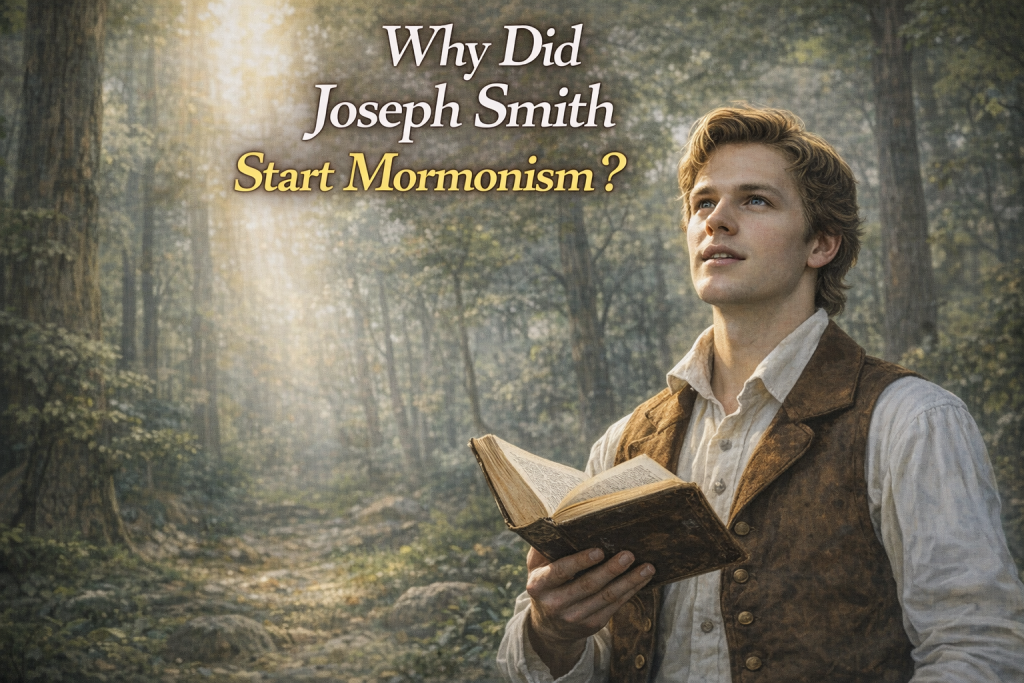
    Joseph Smith’s prophetic calling is closely connected to his account of the First Vision, in which he testified that he saw God the Father and Jesus Christ. Latter-day Saints believe this event marked the beginning of the Restoration and confirmed that God continues to reveal Himself to humanity.

    The First Vision is foundational because it affirms that God speaks, answers prayers, and calls prophets in the modern era.

    Living Prophets Today

    Latter-day Saints believe God continues to call prophets today and that the President of the Church is sustained as a prophet, seer, and revelator. In their understanding, modern prophetic leadership provides inspired counsel, doctrinal clarity, and guidance suited to contemporary circumstances.

    This belief allows the Church to address modern challenges while remaining anchored in eternal gospel truths.

    Role of the President of the Church

    The President of the Church is not believed to be infallible. Latter-day Saints acknowledge that prophets are human and capable of mistakes. However, they believe prophets are called by God and receive revelation to guide the Church according to His will.

    Members sustain the President of the Church and other leaders through a public vote, symbolizing unity, trust, and shared commitment.

    How Prophets Guide Members Today

    Prophetic guidance today often focuses on strengthening families, encouraging moral living, promoting service, supporting mental and spiritual well-being, and helping individuals remain faithful during uncertain times.

    For many Latter-day Saints, living prophetic counsel provides reassurance and direction while keeping Jesus Christ at the center of their faith.

    Common Misunderstandings

    A common misunderstanding is that Latter-day Saints follow prophets instead of Jesus Christ. In reality, they believe prophets are servants of Christ whose role is to point people to Him.

    Another misunderstanding is that continuing revelation leads to constant doctrinal change. Latter-day Saints believe revelation builds upon eternal truths, offering clarification and application without contradicting foundational principles.

    Why This Belief Matters

    Belief in modern prophets reassures Latter-day Saints that God has not abandoned His children. It reinforces the idea that God answers prayers, provides guidance, and leads His Church today.

    Ultimately, prophets exist to invite all people to come unto Jesus Christ, follow His teachings, and receive His saving power.

    Sources

    The Church of Jesus Christ of Latter-day Saints – Gospel Topics: Prophets
    https://www.churchofjesuschrist.org

    Gospel Topics Essays – Prophets
    https://www.churchofjesuschrist.org/study/manual/gospel-topics-essays/prophets?lang=eng

    Scripture Central
    https://scripturecentral.org