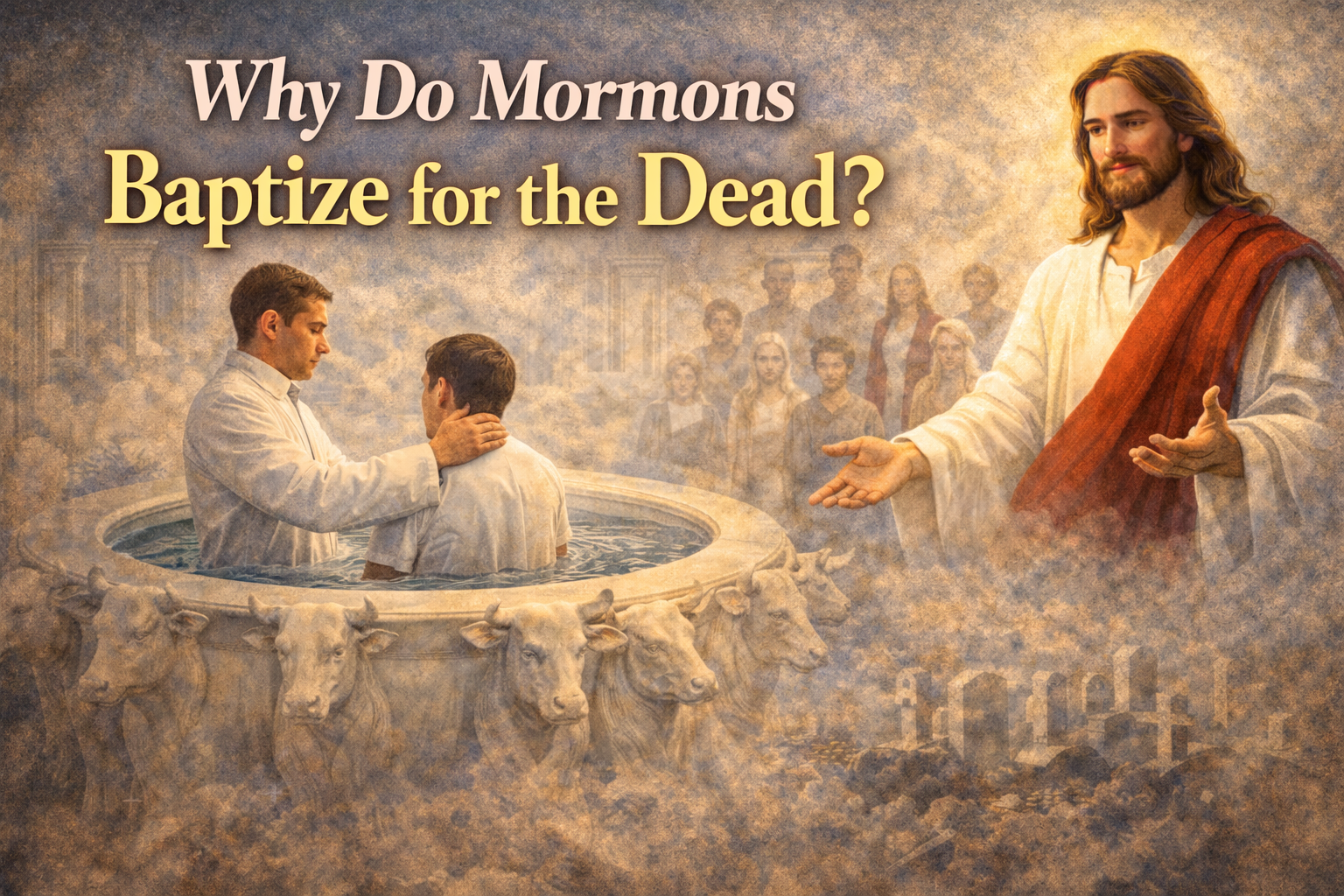
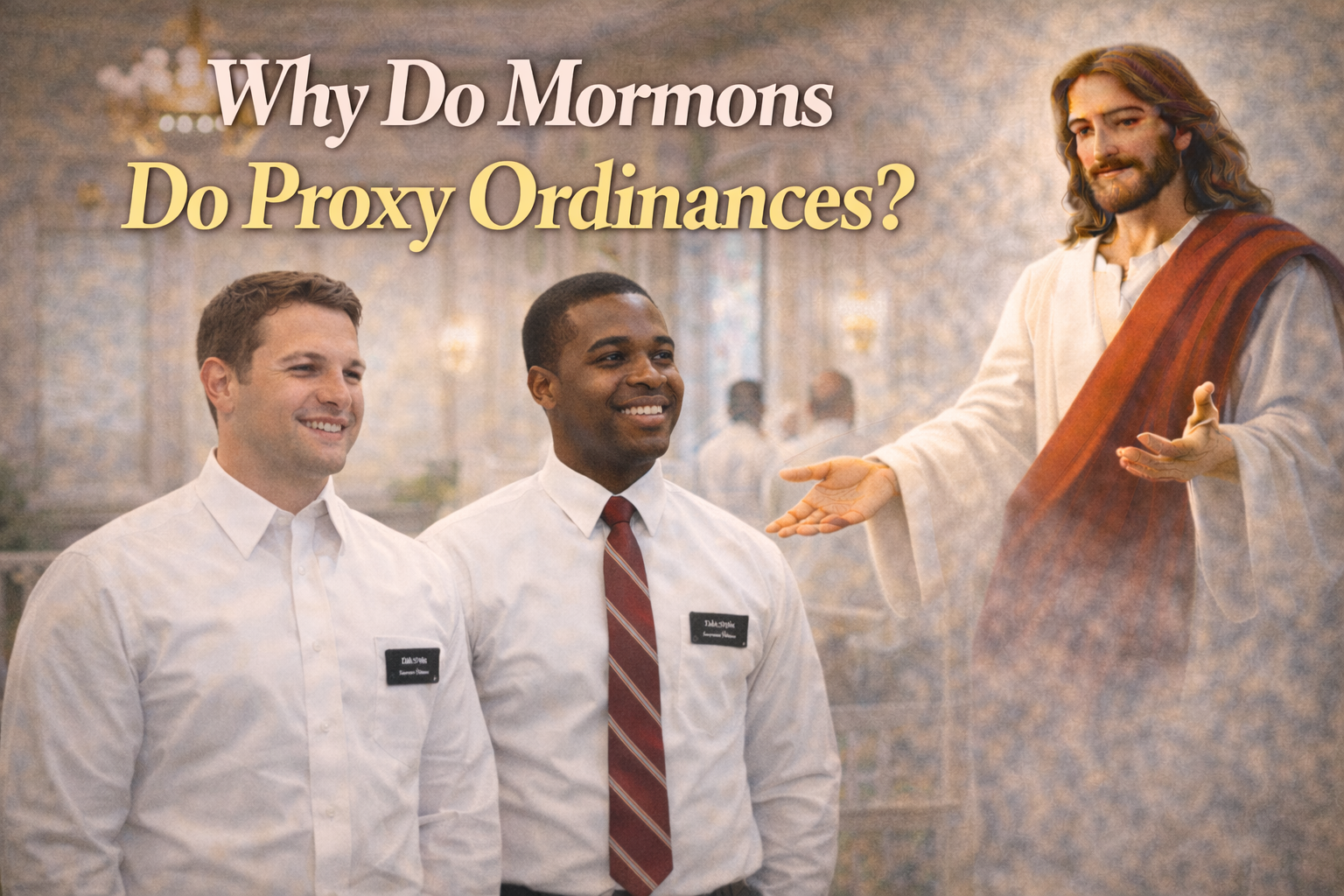
Among the many beliefs of The Church of Jesus Christ of Latter-day Saints, one that often raises sincere questions is the practice of proxy ordinances. Why would living people perform religious ordinances on behalf of those who have died? What purpose does this serve? And how does this belief fit within Christianity?
For Latter-day Saints, proxy ordinances are rooted in a deeply held conviction that God desires the salvation of all His children. They believe that certain ordinances are required for salvation, but they also recognize a reality that spans human history: countless people lived and died without ever having the opportunity to hear of Jesus Christ or receive those ordinances.
Rather than believing that God condemns people for circumstances beyond their control, Latter-day Saints believe God has provided a loving and fair solution. Proxy ordinances extend opportunity without removing agency. They do not force belief, membership, or salvation. Instead, they offer a choice—one that each individual remains free to accept or reject.
Understanding why Mormons do proxy ordinances requires understanding how they view justice, mercy, agency, salvation, the spirit world, and above all, the central role of Jesus Christ in God’s plan.
God’s Desire to Save All His Children
At the heart of proxy ordinances is a belief in God’s character. Latter-day Saints believe God is perfectly just, perfectly merciful, and perfectly loving. These attributes are not in conflict; they work together.
Justice requires that God’s laws apply equally to all. Mercy ensures that no one is punished for circumstances they did not choose. Love motivates God to provide opportunity, guidance, and redemption for every soul.
Latter-day Saints believe salvation is not meant to be exclusive or dependent on birthplace, time period, or access to information. God’s plan, they believe, accounts for every human life.
Proxy ordinances are one way God extends salvation universally while preserving moral responsibility and personal choice.
What Are Proxy Ordinances?
Proxy ordinances are sacred rites performed by living individuals on behalf of those who have died. These ordinances include baptism, confirmation, endowment, and sealing ordinances.
In each case, a living person temporarily acts as a representative for a deceased individual. The ordinance is performed using the same form and authority as it would be for a living person.
The key distinction is this: the ordinance is offered, not imposed. Latter-day Saints believe the deceased individual retains full agency to accept or reject the ordinance in the spirit world.
Acting as a Representative
The proxy does not receive the ordinance for themselves. They do not gain personal spiritual credit, status, or benefit from acting as a proxy.
Instead, they stand in place of another person so the ordinance can be properly performed according to God’s requirements. This act is viewed as one of service, humility, and compassion.
Many Latter-day Saints describe proxy work as deeply meaningful because it reflects selfless love rather than personal reward.
Choice Is Always Preserved
A foundational belief of Latter-day Saints is agency—the ability to choose. Proxy ordinances do not override this principle.
No ordinance is effective unless the individual for whom it is performed willingly accepts it. Acceptance occurs in the spirit world, not on earth. God does not compel belief or obedience.
This ensures that proxy ordinances extend opportunity without violating freedom of choice.
Why Ordinances Matter
To understand proxy ordinances, it is important to understand why ordinances matter at all in Latter-day Saint belief.
Latter-day Saints believe ordinances are outward expressions of inward faith. They are not empty rituals, but sacred acts instituted by Jesus Christ. Baptism, for example, symbolizes spiritual rebirth and covenant commitment.
Jesus Himself was baptized and commanded His followers to do the same. Latter-day Saints believe ordinances are required not because God needs them, but because humans need them to learn obedience, humility, and trust in Christ.
If ordinances are required for salvation, then God must provide a way for everyone to receive them fairly.
The Problem of Unequal Opportunity
Human history is marked by inequality of opportunity. Entire civilizations lived and died without exposure to Christianity. Even after Jesus Christ’s ministry, centuries passed before the gospel spread widely.
Latter-day Saints believe God foresaw this and prepared a solution. Proxy ordinances ensure that salvation is not limited by geography, time, or culture.
This belief challenges the idea that salvation is a matter of luck. Instead, it emphasizes informed choice.
Biblical Foundations for Proxy Ordinances
Latter-day Saints believe proxy ordinances are not a modern invention. They find biblical support, particularly in the New Testament.
The Apostle Paul referred to baptism for the dead when he asked why people would be baptized for the dead if the dead do not rise. Paul does not condemn the practice or explain it away. He treats it as something his audience already understands.
Latter-day Saints believe this reference indicates that proxy ordinances existed among early Christians.
Vicarious Service in Scripture
Beyond this specific reference, Latter-day Saints see proxy ordinances as part of a broader scriptural pattern of vicarious service.
Jesus Christ Himself acted vicariously. He suffered and died for all humanity, taking upon Himself sins He did not commit so others could be saved.
Proxy ordinances follow this same pattern of selfless service. A living person stands in place of another, not for personal gain, but to offer opportunity.
Loss and Restoration of Priesthood Authority
Latter-day Saints believe that after the deaths of Jesus’ apostles, priesthood authority and many sacred practices were lost over time.
They believe proxy ordinances were among the doctrines that faded as the Church moved away from its original organization. Through modern revelation, these doctrines and authorities were restored.
This restoration explains why proxy ordinances are practiced today but not widely found in other Christian traditions.
The Role of Temples
Proxy ordinances are performed in temples because of their eternal significance. Temples are not ordinary places of worship. They are considered houses of the Lord, set apart for sacred acts that bind heaven and earth.
The temple environment emphasizes reverence, preparation, and order. Everything about temple worship—from clothing to language to atmosphere—is designed to encourage spiritual focus.
Sacred Records and Order
Latter-day Saints believe ordinances are carefully recorded to ensure accuracy and respect for each individual’s identity. This reflects the belief that salvation is personal and specific, not abstract.
Names, dates, and relationships matter because people matter.
Service for the Dead
Many Latter-day Saints view proxy ordinances as acts of love toward ancestors and others who have passed away. This service strengthens family connections and fosters gratitude for those who came before.
Proxy work is often described as one of the most Christlike forms of service because it expects nothing in return.
The Spirit World
Latter-day Saints believe that after death, individuals enter the spirit world, where they continue to exist consciously. Learning, growth, and choice continue.
Those who did not have the opportunity to learn about Jesus Christ in mortality may do so there. Proxy ordinances provide the necessary physical ordinances so individuals can fully act on that knowledge.
This belief emphasizes that God’s work does not end at death.
Role of Jesus Christ
Jesus Christ is the foundation of proxy ordinances. Without His atonement and resurrection, no ordinance—living or proxy—would have saving power.
Christ overcame sin and death, making salvation possible for all. Proxy ordinances do not bypass Christ; they rely entirely on Him.
Latter-day Saints believe this doctrine magnifies Christ’s role as Savior of all humanity, not only those who lived in Christian societies.
Proxy Ordinances and Grace
Some assume proxy ordinances diminish grace. Latter-day Saints believe the opposite.
Grace makes salvation possible. Ordinances provide a way for individuals to accept that grace knowingly and willingly.
Salvation remains a gift of Jesus Christ. Proxy ordinances simply ensure everyone has access to that gift.
Mortal Life Still Matters
Another misunderstanding is that proxy ordinances make mortal life unimportant. Latter-day Saints believe choices made in mortality remain extremely significant.
What people choose in this life shapes character, desires, and readiness. Proxy ordinances do not erase mortal responsibility; they extend opportunity.
Common Misunderstandings
One common misunderstanding is that proxy ordinances force conversion. This is not true. Acceptance is voluntary and based on agency.
Another misunderstanding is that Latter-day Saints believe they can save others without their consent. In reality, God honors individual choice at every stage.
Some also believe proxy ordinances are disrespectful to other faiths. Latter-day Saints see them as offers, not impositions.
Why This Belief Matters
Proxy ordinances reveal a God who is inclusive, thoughtful, and fair. They demonstrate that no life is forgotten and no soul is beyond God’s reach.
This belief encourages compassion, humility, and service. It motivates family history work and strengthens connections across generations.
A Broader Vision of Salvation
Proxy ordinances expand the understanding of salvation beyond mortal boundaries. They show that God’s plan is vast, patient, and deeply personal.
Salvation is not rushed or careless. It is deliberate, loving, and respectful of agency.
Personal Impact on Believers
For many Latter-day Saints, participating in proxy ordinances is spiritually transformative. It fosters gratitude, empathy, and awareness of humanity’s shared destiny.
It reminds believers that they are part of something larger than themselves.
An Invitation
Latter-day Saints invite all people to learn about proxy ordinances, study the teachings of Jesus Christ, and seek understanding through prayer.
They believe sincere seekers will find a God who is just, merciful, and deeply invested in every human soul.
Sources
The Church of Jesus Christ of Latter-day Saints – Gospel Topics: Endowment
https://www.churchofjesuschrist.org
Gospel Topics Essays – Temple Worship
https://www.churchofjesuschrist.org/study/manual/gospel-topics-essays
Doctrine and Covenants Central
https://doctrineandcovenantscentral.org
Scripture Central
https://scripturecentral.org