Tag: Modern Revelation

  • Why do Mormons believe in apostasy and restoration?

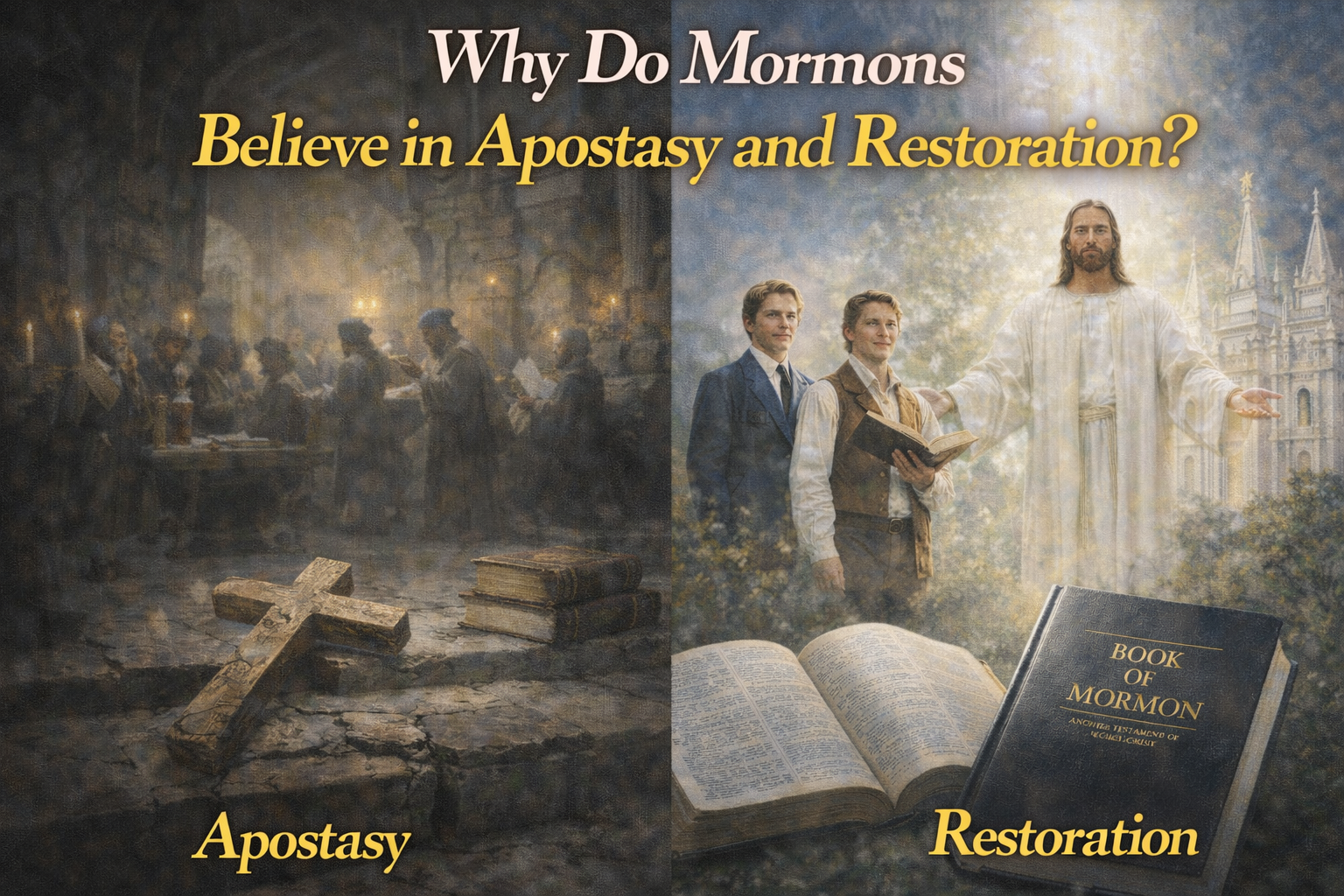
    Why do Mormons believe in apostasy and restoration?

    One of the most distinctive teachings of The Church of Jesus Christ of Latter-day Saints is the belief in apostasy and restoration. This doctrine shapes how Latter-day Saints understand Christian history, authority, revelation, and God’s ongoing relationship with humanity. Rather than viewing history as a straight, uninterrupted continuation of Christ’s original church, they believe there was a period of loss followed by a divine renewal.

    Latter-day Saints believe Jesus Christ established an organized church with apostles, priesthood authority, and sacred ordinances. They also believe that after the deaths of the original apostles, these essential elements were gradually lost. This loss, known as apostasy, was not permanent. According to their belief, God promised that what was lost would one day be restored through divine intervention.

    For believers, apostasy and restoration are not ideas meant to criticize others or dismiss centuries of Christian faith. Instead, they reflect confidence in a consistent, loving God who allows human agency, works patiently through history, and restores truth according to His divine plan centered on Jesus Christ.

    What Is Apostasy?

    In Latter-day Saint belief, apostasy refers to a falling away from divinely revealed truth and authority. It does not mean that individuals stopped believing in God or that goodness disappeared from the earth. Rather, it describes the gradual loss of priesthood authority, prophetic leadership, and certain doctrines Christ originally established.

    Apostasy is understood as a process, not a single event. It unfolded over time due to a combination of persecution, internal disagreements, loss of revelation, and the deaths of apostles who held divine authority.

    Gradual, Not Sudden

    Latter-day Saints emphasize that apostasy was not immediate. Early Christians remained faithful, devoted, and sincere. Changes occurred slowly, across generations, as circumstances shifted and revelation ceased.

    Loss of Authority

    A key element of apostasy, according to this belief, was the loss of priesthood authority. Without apostles to pass on authority through ordination, the original authorization to act in God’s name could not continue as Christ established it.

    Apostasy Does Not Mean Total Darkness

    A common misunderstanding is that apostasy implies complete spiritual darkness. Latter-day Saints explicitly reject this idea. They believe many essential truths were preserved, including belief in Jesus Christ, the Bible, moral teachings, prayer, and sincere devotion.

    They honor the countless Christians who lived faithfully, often at great personal cost, during centuries without restored authority. God, they believe, continued to inspire goodness, truth, and moral progress.

    Truth Was Preserved

    Scripture, ethical teachings, and devotion to Christ remained influential throughout history. Apostasy is therefore viewed as partial loss rather than total abandonment.

    God Still Worked Through People

    Latter-day Saints believe God continued to influence individuals, cultures, and movements that promoted justice, compassion, and spiritual growth, even without the fullness of restored authority.

    The Church Jesus Christ Established

    To understand apostasy, Latter-day Saints look first at the church Jesus Christ established. They believe Christ organized a church with apostles, prophets, authority, ordinances, and ongoing revelation.

    Jesus called apostles, gave them priesthood authority, taught doctrine, and authorized ordinances such as baptism. After His resurrection, He continued to guide the church through revelation.

    The early church functioned through divine authority rather than written creeds or councils alone.

    Biblical Basis for Apostasy

    Latter-day Saints believe the Bible itself predicts a falling away. They point to passages in which apostles warned of false teachers, doctrinal corruption, and loss of truth.

    These warnings suggest that apostasy was foreseen and allowed by God, not an unexpected failure.

    Scriptural Warnings

    New Testament writers cautioned that after their departure, grievous wolves would enter the flock and that some would turn away from truth. Latter-day Saints interpret these passages as indicators of future loss.

    Why Apostasy Was Allowed

    Rather than seeing apostasy as divine abandonment, Latter-day Saints believe God allowed it to occur as part of respecting human agency. People are free to choose, even when those choices lead to loss.

    God, they believe, does not override agency to preserve institutions indefinitely. Instead, He works through history, preparing a time for renewal.

    Why Restoration Was Necessary

    If essential authority and ordinances were lost, Latter-day Saints believe reform alone was insufficient. Reform can adjust beliefs and practices, but it cannot restore divine authority.

    Restoration, therefore, required God to act directly to reestablish what Christ originally gave.

    Restoration Versus Reformation

    The Protestant Reformation preserved important truths and increased access to scripture. Latter-day Saints respect reformers for their courage and faith. However, they believe reformation did not restore priesthood authority or apostles.

    Biblical Basis for Restoration

    Just as scripture speaks of apostasy, Latter-day Saints believe it also promises restoration. They point to passages that describe truth being restored, knowledge increasing, and God acting again in the latter days.

    Restoration is seen as fulfillment of prophecy rather than contradiction of Christianity.

    Prophecies of Renewal

    Scriptures referring to the “restitution of all things” are central to this belief. God, they believe, always intended to restore what was lost.

    The Role of Joseph Smith in the Restoration

    Latter-day Saints believe God initiated the restoration through Joseph Smith, not because he was powerful or educated, but because he was willing and sincere.

    Through visions, revelations, and heavenly messengers, they believe priesthood authority, doctrine, and ordinances were restored.

    Divine Initiative

    Restoration began with God reaching out to humanity, not humans rediscovering truth on their own.

    Restoration of Priesthood Authority

    A defining element of restoration is the return of priesthood authority. Latter-day Saints believe heavenly messengers restored the same authority held by John the Baptist and Christ’s apostles.

    This authority allows ordinances to be performed in God’s name with divine approval.

    Continuity With the Early Church

    Restored priesthood authority is believed to be identical in power and purpose to that held in the early Christian church, creating continuity rather than rupture.

    Restoration of Doctrine

    Along with authority, doctrine was restored. Latter-day Saints believe God clarified truths about His nature, the divine potential of humanity, the plan of salvation, and the role of Jesus Christ.

    They believe these teachings harmonize with the Bible while restoring clarity.

    Additional Scripture as Part of Restoration

    The Book of Mormon is viewed as part of the restoration. Latter-day Saints believe it is another testament of Jesus Christ that supports the Bible and restores truths lost over time.

    They believe God has spoken through scripture in many eras and cultures.

    Organization of the Restored Church

    The Church of Jesus Christ of Latter-day Saints was organized gradually through revelation. Leadership offices, councils, quorums, and ordinances were established according to divine instruction.

    This reflects belief in order, accountability, and shared leadership under Christ.

    Continuing Restoration

    Restoration is not viewed as a single completed event. Latter-day Saints believe God continues to reveal truth through living prophets.

    This allows the Church to remain grounded in eternal doctrine while responding to modern challenges.

    Line Upon Line

    Truth is revealed gradually, according to God’s wisdom and humanity’s readiness.

    Apostasy, Restoration, and God’s Character

    This doctrine reflects belief in a God who is patient, merciful, and purposeful. God allows loss but prepares renewal. He does not abandon His children permanently.

    Apostasy and restoration together demonstrate divine consistency rather than contradiction.

    Respect for Other Christians

    A common misunderstanding is that belief in apostasy insults other Christians. Latter-day Saints emphasize gratitude for those who preserved scripture, faith, and moral teachings.

    They believe restoration builds upon Christian history rather than erasing it.

    Why This Belief Matters Today

    Belief in apostasy and restoration explains why Latter-day Saints emphasize modern prophets, priesthood authority, temples, and additional scripture.

    It frames history as purposeful and hopeful rather than tragic.

    Apostasy, Restoration, and Missionary Work

    This belief motivates missionary work. If God restored truth and authority, believers feel a responsibility to share that message respectfully.

    Missionary work is seen as invitation, not condemnation.

    Apostasy, Restoration, and Personal Faith

    Latter-day Saints believe individuals should seek personal confirmation of restoration through prayer and study. Faith is meant to be personal, not inherited.

    Common Misunderstandings

    Some believe apostasy implies God failed. Latter-day Saints believe it demonstrates God’s respect for agency and long-term planning.

    Others think restoration claims exclusivity. Members believe restoration brings responsibility, not superiority.

    Why This Belief Matters

    Belief in apostasy and restoration gives Latter-day Saints confidence that God continues to act in history. It affirms hope that what is lost can be renewed and that Jesus Christ still leads His church.

    For believers, this doctrine explains the existence of modern prophets, living revelation, and restored ordinances—all centered on Jesus Christ.

    Conclusion

    Latter-day Saints believe in apostasy and restoration because they believe Jesus Christ established a church with authority and revelation, that these elements were lost over time, and that God restored them according to His promises.

    This belief does not deny Christian history but completes it. It reflects faith in a living God who allows loss, honors agency, and restores truth in His own time.

    For believers, apostasy and restoration affirm that Jesus Christ continues to guide His church and lovingly leads humanity toward eternal truth.

    Sources

    The Church of Jesus Christ of Latter-day Saints – Gospel Topics: Apostasy
    https://www.churchofjesuschrist.org

    Joseph Smith Papers – Restoration and Authority
    https://www.josephsmithpapers.org

    Doctrine and Covenants Central
    https://doctrineandcovenantscentral.org

    Scripture Central
    https://scripturecentral.org

  • Why Do Mormons Have a Living Prophet?

    Why Do Mormons Have a Living Prophet?

    One of the most distinctive beliefs of members of The Church of Jesus Christ of Latter-day Saints is the belief in a living prophet. While many Christian traditions look to prophets only as figures of the past—men and women whose words are preserved in the Bible—Latter-day Saints believe God continues to call prophets today. This belief naturally raises questions: Why would a modern prophet be necessary? Has God not already spoken enough through the Bible? And how does a living prophet fit into Christian faith centered on Jesus Christ?

    For Latter-day Saints, belief in a living prophet is not about replacing Jesus Christ, diminishing the Bible, or adding unnecessary authority. Instead, it reflects a conviction that God is loving, involved, and actively guiding His children in every generation. Just as God spoke through prophets in ancient times, they believe He continues to do so in the modern world.

    Having a living prophet affirms that God is not silent, distant, or disengaged. It teaches that revelation did not end with the last page of scripture, but continues according to God’s wisdom and timing. For believers, this doctrine provides reassurance that divine guidance is available for contemporary challenges while remaining rooted in eternal truths.

    Understanding why Mormons have a living prophet requires exploring biblical patterns, the nature of revelation, the role of Jesus Christ, modern challenges, agency, and how prophetic leadership functions within the Church today.

    Prophets in the Bible

    The Bible is filled with accounts of prophets called by God to lead, warn, teach, and guide His people. From the earliest pages of scripture, God communicates through chosen servants who speak on His behalf.

    Moses led Israel out of bondage and received commandments that shaped an entire nation. Isaiah warned of coming judgment while testifying of the Messiah. Jeremiah spoke during times of political and spiritual collapse. Peter led the early Christian church after the resurrection of Jesus Christ. These prophets did not simply repeat earlier revelation; they addressed the needs, sins, and questions of their own time.

    Latter-day Saints see prophets as evidence of a consistent pattern: when God has a people, He calls prophets to guide them.

    God’s Pattern of Communication

    Throughout scripture, God rarely leaves His people without direction. Prophets serve as messengers, teachers, and witnesses of divine truth. They call people to repentance, explain doctrine, and help apply God’s will to real-life situations.

    Latter-day Saints believe this pattern reflects God’s character. A loving Father does not abandon His children or stop communicating without reason.

    Leadership for Each Generation

    Each generation faces unique circumstances. Ancient Israel struggled with idolatry and covenant faithfulness. Early Christians faced persecution and doctrinal confusion. Modern society faces challenges related to technology, global communication, moral complexity, and rapid cultural change.

    Latter-day Saints believe that just as ancient prophets addressed the needs of their time, a living prophet addresses the needs of the present.

    Why a Living Prophet Is Needed Today

    Many people ask why scripture alone is not sufficient. Latter-day Saints believe the Bible is sacred and essential, but they also believe it does not contain answers to every modern question in explicit terms.

    The Bible does not directly address issues such as modern technology, global humanitarian crises, or many contemporary social challenges. A living prophet helps apply eternal principles to new situations.

    Revelation for Modern Times

    Latter-day Saints believe revelation is not about changing eternal truth, but about clarifying and applying it. A living prophet does not rewrite doctrine at will. Instead, he seeks divine guidance to help the Church remain faithful while responding to new circumstances.

    For example, guidance on family life, moral conduct, service, and worship often requires adaptation to modern realities. A living prophet helps provide that guidance.

    Unity and Direction in a Global Church

    The Church of Jesus Christ of Latter-day Saints is a global church with members in many cultures, languages, and political systems. Without unified leadership, interpretation of doctrine could fragment.

    Latter-day Saints believe a living prophet helps maintain unity by providing consistent direction rooted in revelation rather than personal opinion. This unity allows a worldwide church to remain spiritually connected despite cultural diversity.

    How a Living Prophet Is Chosen

    Latter-day Saints believe prophets are called by God, not elected through popular vote or appointed through ambition. The living prophet is also the president of the Church and is chosen through priesthood authority.

    When a prophet passes away, the senior apostle is sustained as the next president of the Church after prayerful confirmation.

    Sustaining the Prophet

    Members of the Church are invited to sustain the prophet. Sustaining does not mean blind obedience or worship. It means expressing support and willingness to follow inspired counsel while seeking personal confirmation through prayer.

    This process reflects the importance of agency. Members are encouraged to ask God for their own witness that the prophet is called by Him.

    Prophets Are Not Worshiped

    A critical distinction in Latter-day Saint belief is that prophets are respected but not worshiped. Worship is directed only to God the Father and Jesus Christ.

    Prophets are seen as servants and witnesses, not objects of devotion.

    The Role of Jesus Christ

    Central to understanding why Mormons have a living prophet is their belief that Jesus Christ is the head of the Church. The prophet does not replace Christ, compete with Him, or stand above Him.

    Latter-day Saints believe the prophet acts under Christ’s direction. His primary role is to testify of Jesus Christ and lead people closer to Him.

    Christ-Centered Leadership

    All prophetic teachings are expected to align with the gospel of Jesus Christ. If guidance does not point people toward faith, repentance, love, and discipleship, it is not considered truly prophetic.

    The prophet’s authority exists because of Christ, not independently of Him.

    Revelation and Scripture

    Another common question is whether living prophets replace scripture. Latter-day Saints believe scripture and revelation work together.

    The Bible and other scriptures provide foundational doctrine. Living prophets help interpret, clarify, and apply those teachings in modern contexts.

    Revelation is seen as cumulative, not contradictory.

    Continuity, Not Contradiction

    Latter-day Saints believe God does not contradict Himself. Prophetic guidance is expected to be consistent with established doctrine while addressing new situations.

    When new revelation is given, it is studied carefully and accepted through spiritual confirmation.

    Human Imperfection and Prophetic Calling

    A common misunderstanding is that Latter-day Saints believe prophets are perfect. They do not. Prophets are human beings with weaknesses, personalities, and limitations.

    What makes them prophets is not perfection, but calling and divine guidance.

    God Works Through Imperfect People

    Throughout the Bible, God worked through imperfect individuals. Moses doubted his ability to speak. Peter made serious mistakes. David sinned deeply.

    Latter-day Saints believe God continues to work through imperfect servants because perfection is not required for divine calling—humility and willingness are.

    Prophets and Agency

    Another misunderstanding is that prophetic guidance removes personal agency. Latter-day Saints believe the opposite.

    Prophets teach and warn, but individuals remain responsible for their choices. Prophetic counsel invites reflection, prayer, and personal confirmation.

    Agency remains central to God’s plan.

    Moral and Spiritual Guidance

    Living prophets often address moral and spiritual issues facing society. This guidance is intended to help individuals navigate complex environments with faith and integrity.

    Prophetic counsel often emphasizes compassion, service, family, honesty, and commitment to Christ.

    Rather than offering political solutions, prophets focus on spiritual principles that transcend political systems.

    Prophets and Change

    Some critics point to changes in church practice as evidence against prophetic leadership. Latter-day Saints view change differently.

    They believe God may adjust practices as circumstances change, while eternal truths remain constant.

    In the Bible, practices changed as God’s people moved from one covenant stage to another. Latter-day Saints see modern changes as part of that same divine pattern.

    Prophets and Peace

    Many members testify that prophetic guidance brings peace, clarity, and reassurance. In times of uncertainty, having a trusted spiritual voice helps individuals feel grounded.

    This peace does not come from certainty about the future, but from trust in God’s continued involvement.

    Prophets and Personal Faith

    While prophets guide the Church as a whole, Latter-day Saints emphasize personal revelation. Members are encouraged to seek God’s guidance in their own lives.

    Prophetic leadership does not replace personal prayer or scripture study. It complements them.

    Common Misunderstandings

    One common misunderstanding is that prophets add new requirements for salvation. Latter-day Saints believe salvation comes only through Jesus Christ.

    Another misunderstanding is that prophets claim infallibility. They do not. They claim divine calling and guidance, not personal perfection.

    Some assume prophets control every aspect of members’ lives. In reality, prophetic guidance focuses on principles rather than micromanagement.

    Why This Belief Matters

    Belief in a living prophet matters because it shapes how Latter-day Saints see God. It reinforces the belief that God is present, aware, and responsive.

    It provides a sense of continuity between ancient scripture and modern life. It offers guidance in a rapidly changing world.

    For believers, this doctrine strengthens faith that God’s Church is actively led by Jesus Christ today.

    A Living Relationship With God

    Having a living prophet supports the idea that faith is not static. Revelation is not frozen in time. God continues to teach His children as they grow.

    This belief encourages humility, listening, and openness to divine instruction.

    A Broader Christian Context

    While belief in modern prophets is distinctive, many Christian traditions believe God still guides believers through the Holy Spirit.

    Latter-day Saints see prophets as one way God provides that guidance on a collective level.

    They view prophetic leadership as consistent with a God who speaks, leads, and loves.

    An Invitation

    Latter-day Saints invite others to learn about living prophets with openness rather than fear.

    They encourage sincere seekers to study, pray, and ask God whether He still speaks today.

    They believe God answers honest questions and invites all people to come closer to Jesus Christ.

    Sources

    The Church of Jesus Christ of Latter-day Saints – Gospel Topics: Prophets
    https://www.churchofjesuschrist.org

    Joseph Smith Papers – Prophetic Calling
    https://www.josephsmithpapers.org

    Doctrine and Covenants Central
    https://doctrineandcovenantscentral.org

    Scripture Central
    https://scripturecentral.org
  • Why do Mormons value church history so much?

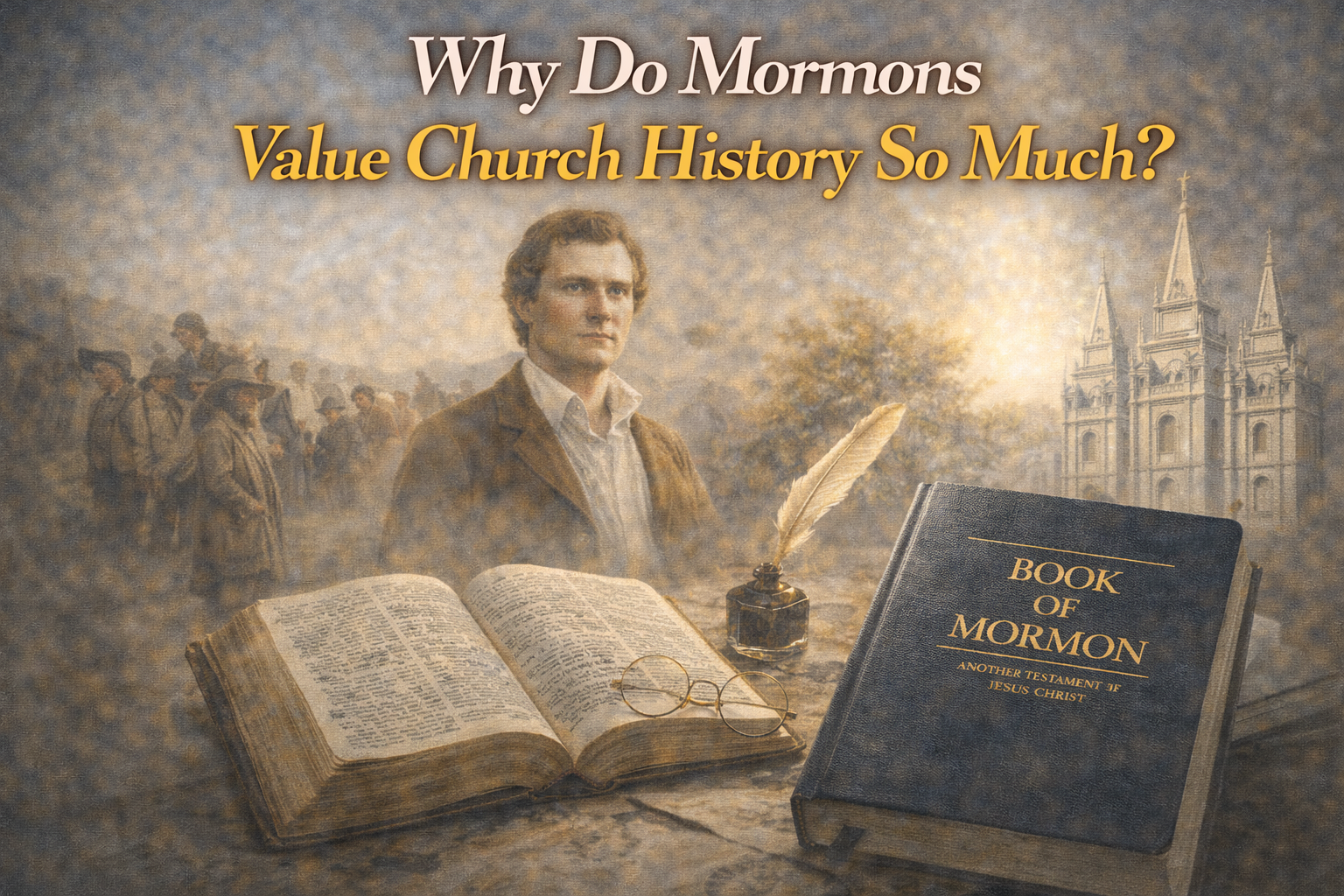
    Why do Mormons value church history so much?

    Latter-day Saints value church history deeply because they believe God acts in real human history through real people, real places, and real events. Church history is not viewed as an optional background subject or merely a record of past leadership decisions. Instead, it is seen as an essential part of understanding how God works, how revelation unfolds, and how faith is lived over time.

    For Latter-day Saints, church history matters because their faith makes specific historical claims. Events such as the First Vision, the translation of the Book of Mormon, the restoration of priesthood authority, the organization of the Church, persecution, migration, and modern prophetic leadership are all rooted in identifiable moments in history. To understand the faith fully, members believe they must understand the story in which that faith emerged.

    Church history is therefore not just about remembering the past. It is about seeing God’s hand across generations, learning how divine guidance interacts with human weakness, and discovering how faith survives and grows amid uncertainty, opposition, and change.

    History as a Record of God’s Actions

    Latter-day Saints believe scripture itself is sacred history. The Bible is a record of God working through prophets, families, nations, and communities across centuries. Similarly, modern church history is viewed as a continuation of that same pattern rather than a separate or lesser category of information.

    Church history records how God called individuals, revealed doctrine, restored authority, and guided His people through complex circumstances. These records are not meant to replace scripture, but to demonstrate that God continues to interact with humanity in tangible ways.

    God Works in Time

    A core Latter-day Saint belief is that God works within time rather than outside of it. Revelation does not occur in a vacuum. It comes in response to questions, struggles, conflicts, and needs that arise in specific historical settings.

    Understanding history helps believers see why revelations were given when they were and how they addressed real situations faced by real people.

    Line Upon Line

    Latter-day Saints believe revelation comes “line upon line” and “precept upon precept.” Church history documents this gradual process. Doctrines, policies, and practices did not appear fully formed all at once. They developed as God revealed truth according to the readiness and circumstances of His people.

    Studying history helps members recognize patience, progression, and divine timing in God’s dealings.

    Learning From Successes and Mistakes

    One reason Latter-day Saints value church history is that it presents faith in a realistic, human context. Church leaders and members are not portrayed as flawless. Instead, history reveals growth, struggle, correction, and refinement.

    This approach encourages humility and maturity rather than idealized or simplistic faith.

    Faith With Honesty

    Modern Latter-day Saint scholarship increasingly emphasizes honesty and transparency. Members are encouraged to study original documents, journals, letters, and firsthand accounts rather than relying only on simplified narratives.

    This honesty reflects confidence that faith can withstand complexity. Latter-day Saints believe that acknowledging human imperfection does not undermine divine guidance—it highlights it.

    Growth Through Experience

    Church history shows that learning often comes through trial and error. Mistakes, misunderstandings, and even conflict are seen as part of spiritual development.

    For believers, this reinforces the idea that God works patiently with His people rather than abandoning them when they struggle.

    Strengthening Testimony Through Context

    Historical context helps explain why certain teachings, practices, or decisions emerged when they did. Without context, modern readers may misinterpret past actions or assume motives that did not exist.

    By studying history, Latter-day Saints seek clarity rather than confusion.

    Context Brings Clarity

    Understanding social, political, and cultural conditions of the past helps members distinguish eternal principles from temporary practices. This distinction is important for applying faith appropriately in the present.

    History helps believers see continuity without rigidity.

    Connection to the Restoration

    Church history is especially important because the Restoration itself is a historical claim. Latter-day Saints do not believe their faith emerged symbolically or metaphorically. They believe it began through literal events that occurred at specific times and places.

    Events such as the First Vision, angelic visitations, translation of scripture, and restoration of priesthood authority are all rooted in history.

    Faith Anchored in Events

    Because belief is tied to historical claims, studying history allows members to engage their faith intellectually as well as spiritually. They are encouraged to learn, ask questions, and seek understanding rather than relying on assumptions.

    This approach reflects confidence that truth can withstand examination.

    Preserving Memory and Identity

    History shapes collective identity. For Latter-day Saints, stories of early persecution, migration, temple building, missionary sacrifice, and global growth form a shared memory that connects members across cultures and generations.

    Church history helps answer the question: “Who are we, and why do we believe what we believe?”

    Shared Identity

    Members in different countries may have different cultures, languages, and experiences, but church history provides a unifying narrative. It connects converts in Africa, Asia, Latin America, and Europe to pioneers in nineteenth-century America.

    This shared memory strengthens global unity.

    Church History and Personal Faith

    Studying history often leads members to reflect on their own faith journeys. Seeing how others wrestled with doubt, opposition, or uncertainty helps individuals feel less alone in their own struggles.

    History humanizes faith.

    Encouraging Personal Revelation

    Latter-day Saints believe learning about past revelation encourages present revelation. Reading how others sought and received divine guidance motivates individuals to pray, study, and seek confirmation for themselves.

    History becomes a bridge between past testimony and present discipleship.

    Inspiration From Predecessors

    Stories of sacrifice, endurance, and faith provide motivation during difficult moments. Pioneers, early missionaries, and modern leaders are remembered not as heroes without flaws, but as people who trusted God despite uncertainty.

    History as a Safeguard Against Simplification

    Valuing history helps prevent oversimplified narratives that can weaken faith when confronted with complexity. When members expect perfection or linear progress, unexpected information can feel destabilizing.

    Historical study prepares believers for nuance.

    Resilient Faith

    A faith that understands history is better equipped to face questions. Latter-day Saints increasingly emphasize that strong faith includes patience, curiosity, and willingness to learn.

    History teaches that God’s work is steady, not simplistic.

    Church History and Scholarship

    The Church has invested heavily in preserving, publishing, and studying historical documents. Projects such as the Joseph Smith Papers demonstrate a commitment to academic rigor and transparency.

    This openness reflects trust that faith and scholarship can coexist.

    Original Documents

    Access to original journals, letters, and manuscripts allows members and scholars to engage history directly. This approach encourages informed belief rather than secondhand interpretation.

    Faith and Reason Together

    Latter-day Saints generally reject the idea that faith requires ignorance of history. Instead, they see knowledge as strengthening discipleship when paired with humility and spiritual seeking.

    Addressing Difficult Topics

    Some aspects of church history are challenging, including persecution, internal conflict, changing policies, and controversial practices. Valuing history means confronting these topics rather than avoiding them.

    Latter-day Saints increasingly approach difficult history with empathy, context, and spiritual perspective.

    Complexity Does Not Equal Falsehood

    Members are taught that complexity is not evidence of deception. Human history is complex because people are complex.

    God’s involvement does not remove human agency or eliminate struggle.

    Church History and Jesus Christ

    For Latter-day Saints, the ultimate reason church history matters is because it points to Jesus Christ. They believe Christ is the head of the Church and that history records His ongoing guidance.

    Church history is Christ-centered rather than personality-centered.

    Christ at the Center

    Prophets, leaders, and members come and go, but Christ remains constant. History shows how His teachings, ordinances, and authority are preserved and restored.

    This focus helps members avoid placing ultimate trust in individuals rather than in Christ.

    Avoiding Faith Built on Myth

    Latter-day Saints increasingly emphasize that faith should be built on truth rather than myth. Idealized or incomplete stories may feel comforting initially, but they can create fragility.

    Honest history builds durable faith.

    Truth as a Foundation

    Members are encouraged to trust that God does not require deception to accomplish His work. Truth, even when complex, is seen as spiritually strengthening.

    Why Church History Is Studied So Actively Today

    Modern access to information makes historical literacy essential. Latter-day Saints recognize that members will encounter church history through many sources, not all of them accurate or fair.

    By valuing history, the Church encourages members to learn from reliable, contextualized sources.

    Informed Discipleship

    Studying history equips believers to engage conversations thoughtfully, answer questions respectfully, and navigate doubt with confidence.

    Common Misunderstandings

    A common misunderstanding is that studying church history threatens faith. Latter-day Saints increasingly teach the opposite: that faith grows when paired with honesty and learning.

    Another misunderstanding is that church history replaces scripture. Members see history as complementary, providing context and lived examples of scriptural principles.

    Some assume valuing history means focusing on the past instead of the present. In reality, history is valued because it informs present faith and future direction.

    Why This Belief Matters

    Valuing church history promotes informed faith, humility, resilience, and honesty. It helps believers see God’s patience, consistency, and mercy over time.

    For Latter-day Saints, church history testifies that God works through imperfect people to accomplish divine purposes. It reassures believers that uncertainty, struggle, and growth are not signs of failure, but part of a living, ongoing relationship with God.

    Church history matters because it shows that faith is not abstract—it is lived, tested, refined, and sustained across generations.

    Sources

    The Church of Jesus Christ of Latter-day Saints – Gospel Topics: Church History
    https://www.churchofjesuschrist.org

    Joseph Smith Papers – Historical Documents
    https://www.josephsmithpapers.org

    BYU Studies – Latter-day Saint History
    https://byustudies.byu.edu

  • Why Do Mormons Believe in Continuing Revelation?

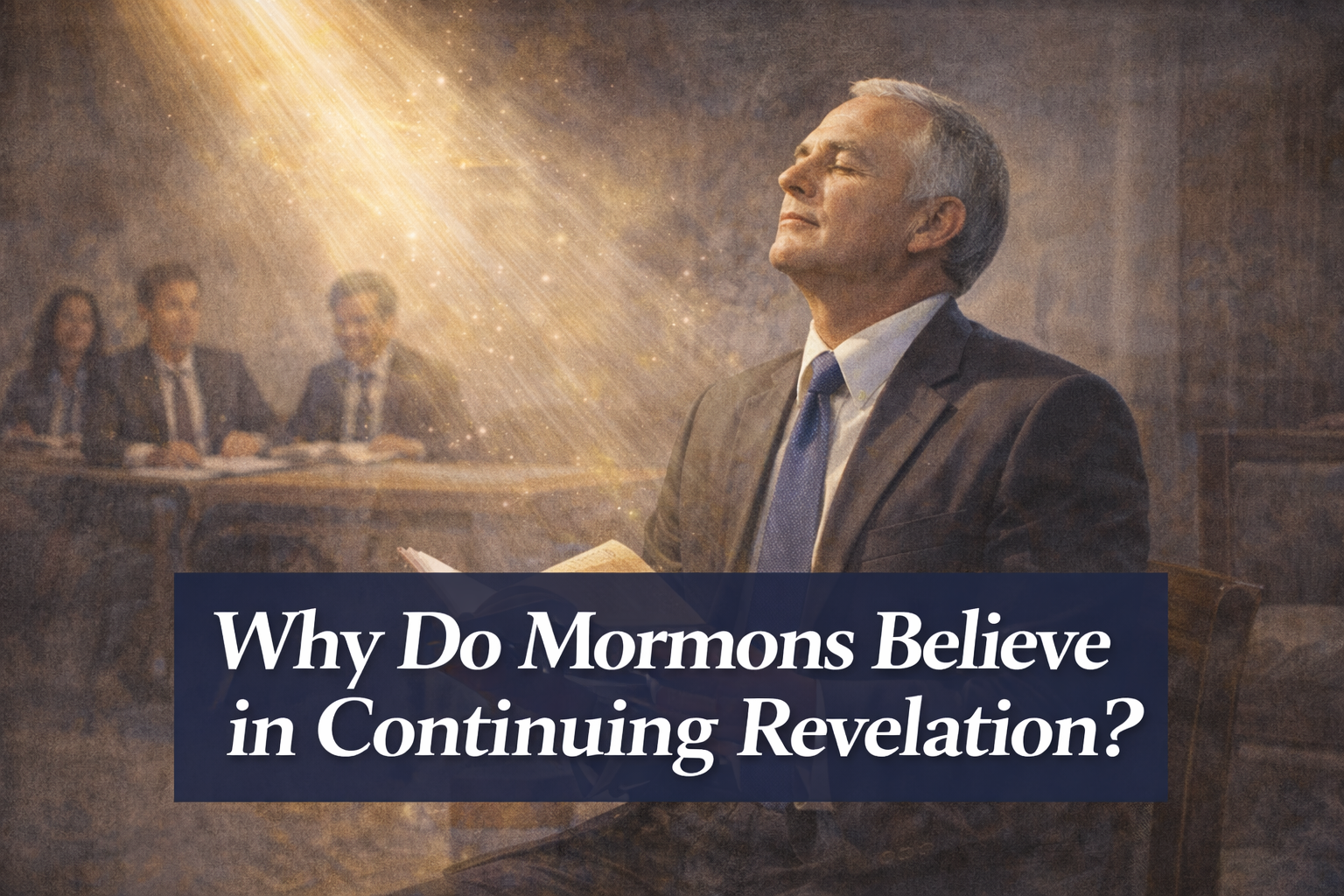
    Why Do Mormons Believe in Continuing Revelation?

    Throughout history, God has guided His people by speaking to them. Latter-day Saints believe this divine pattern did not end with the Bible, but continues today. This belief in continuing revelation reflects the conviction that God is still aware of the world’s needs and actively involved in the lives of His children.

    Rather than seeing God as distant or silent, Latter-day Saints believe He continues to offer guidance, correction, and comfort—both to individuals and to His Church—while remaining perfectly consistent with eternal truth.

    What Is Continuing Revelation?

    Continuing revelation is the belief that God reveals His will through inspiration. Latter-day Saints believe this guidance can come through scripture, prayer, the influence of the Holy Ghost, and through prophets called to lead the Church.

    This belief does not suggest that God changes His fundamental teachings. Instead, revelation is understood as God providing direction and understanding appropriate to different times, situations, and individual needs.

    Biblical Foundations for Revelation

    The Bible presents a consistent pattern of God revealing His will as circumstances unfold. Prophets in the Old Testament received revelation suited to their generation, and the New Testament records continued divine guidance through apostles after the ministry of Jesus Christ.

    Scripture teaches that God is the same yesterday, today, and forever. Latter-day Saints understand this to mean that God’s nature is unchanging, even as He continues to communicate with humanity.

    Revelation Through the Holy Spirit

    Jesus Christ taught that the Holy Ghost would guide His followers into all truth. Latter-day Saints believe this promise remains in effect today. Through the Holy Spirit, individuals can receive truth, comfort, and understanding directly from God.

    Personal Revelation in Scripture

    Biblical figures such as Peter and Paul received personal revelation that guided their choices and ministry. Latter-day Saints view these experiences as examples of how God continues to guide sincere seekers in every age.

    Prophetic Revelation for the Church

    In addition to personal revelation, Latter-day Saints believe God guides His Church through living prophets. These prophets seek divine direction to help the Church remain centered on Jesus Christ while responding to the needs of a changing world.

    Revelation given to prophets is expected to align with scripture and to reflect God’s will rather than personal opinion.

    Revelation Through Councils

    Important decisions within the Church are often made through councils of leaders who seek revelation together. Latter-day Saints see this as a continuation of the pattern used by early Christian apostles.

    Unity and Confirmation

    Revelation for the Church is typically confirmed through unity among leaders and through spiritual confirmation felt by members. This shared witness strengthens faith and promotes harmony within the Church.

    Personal Revelation in Daily Life

    Latter-day Saints believe God also offers personal guidance to individuals. This may include help with family decisions, spiritual growth, and everyday challenges.

    Personal revelation is understood to operate within God’s commandments and does not override the revelation given to prophets for the Church as a whole.

    Learning to Recognize Revelation

    Revelation often comes quietly—through peaceful feelings, clear thoughts, or gentle impressions. Learning to recognize this guidance requires patience, faith, and a sincere desire to follow God’s will.

    Role of Prayer and Scripture Study

    Prayer and scripture study play a central role in receiving revelation. As individuals consistently seek God through these practices, they become more receptive to His guidance.

    Common Misunderstandings

    Some believe that continuing revelation means doctrine changes frequently. Latter-day Saints believe eternal doctrines remain constant, while revelation helps apply those truths to new circumstances.

    Another misunderstanding is that revelation replaces personal responsibility. In Latter-day Saint belief, revelation works together with study, effort, and wise decision-making.

    Why This Belief Matters

    Belief in continuing revelation reassures Latter-day Saints that God is aware of their lives and willing to guide them. It provides comfort during uncertainty and direction during difficult decisions.

    More importantly, continuing revelation invites individuals to build a personal relationship with God and to follow Jesus Christ with faith in every generation.

    An Invitation

    Latter-day Saints invite everyone to seek God’s guidance personally through prayer and scripture study. We believe God still speaks today and desires to guide all who sincerely seek Him.

    Sources

    The Church of Jesus Christ of Latter-day Saints – Gospel Topics: Revelation
    https://www.churchofjesuschrist.org

    Gospel Topics Essays – Revelation
    https://www.churchofjesuschrist.org/study/manual/gospel-topics-essays

    Doctrine and Covenants Central
    https://doctrineandcovenantscentral.org

    Scripture Central
    https://scripturecentral.org