Among the teachings of The Church of Jesus Christ of Latter-day Saints, few practices generate as much curiosity—or confusion—as baptism for the dead. For many people encountering this belief for the first time, the idea can sound strange, unnecessary, or even unsettling. Why would a church baptize people who have already died? Does this mean forcing beliefs on the deceased? Does it imply that faith during mortal life does not matter?
For Latter-day Saints, baptism for the dead is rooted in a deeply held belief about the nature of God. They believe God is perfectly just, perfectly loving, and perfectly fair. A God with these qualities, they reason, would not permanently deny salvation to people who never had a meaningful opportunity to hear or accept the gospel of Jesus Christ during their lifetime.
This practice, known as baptism for the dead or proxy baptism, reflects beliefs in agency, mercy, and eternal opportunity. It is not about rewriting a person’s beliefs or imposing religion after death. Instead, it is about offering the same choice to all of God’s children, regardless of when or where they lived.
For Latter-day Saints, proxy baptism does not save anyone automatically. It simply extends an invitation beyond mortality—an invitation that can be freely accepted or rejected.
Understanding why Mormons baptize the dead requires exploring their beliefs about baptism, justice, agency, the afterlife, and God’s eternal plan for humanity.
Baptism as a Requirement
Latter-day Saints believe Jesus Christ taught that baptism is required for salvation. In the New Testament, Christ emphasized the necessity of being “born of water and of the Spirit” to enter the kingdom of God. Because this requirement is presented as universal, Latter-day Saints believe it must apply to all people, not just those fortunate enough to live in certain places or eras.
This belief raises an important question: what about the billions of people who lived and died without ever hearing about Jesus Christ or Christian baptism?
Rather than concluding that such people are excluded from salvation, Latter-day Saints believe God provides a way for everyone to receive essential ordinances.
This belief forms the theological foundation for baptism for the dead.
Christ’s Teaching on Baptism
Jesus Christ’s teachings on baptism are central to this doctrine. Latter-day Saints interpret Christ’s words as indicating that baptism is not merely symbolic, but a required covenant ordinance.
Because Christ’s teachings are understood as expressions of God’s will, Latter-day Saints believe God must ensure they can be fulfilled fairly. If baptism is required, then access to baptism must be universal.
This conviction drives the search for a just solution to unequal opportunity.
Universal Opportunity
Latter-day Saints believe God’s plan must offer equal opportunity to all His children. Circumstances of birth—such as time period, geography, or family background—should not determine eternal destiny.
Proxy baptism is understood as the mechanism through which God ensures fairness. It extends opportunity beyond mortal life without diminishing the importance of choices made during life.
What Is Baptism for the Dead?
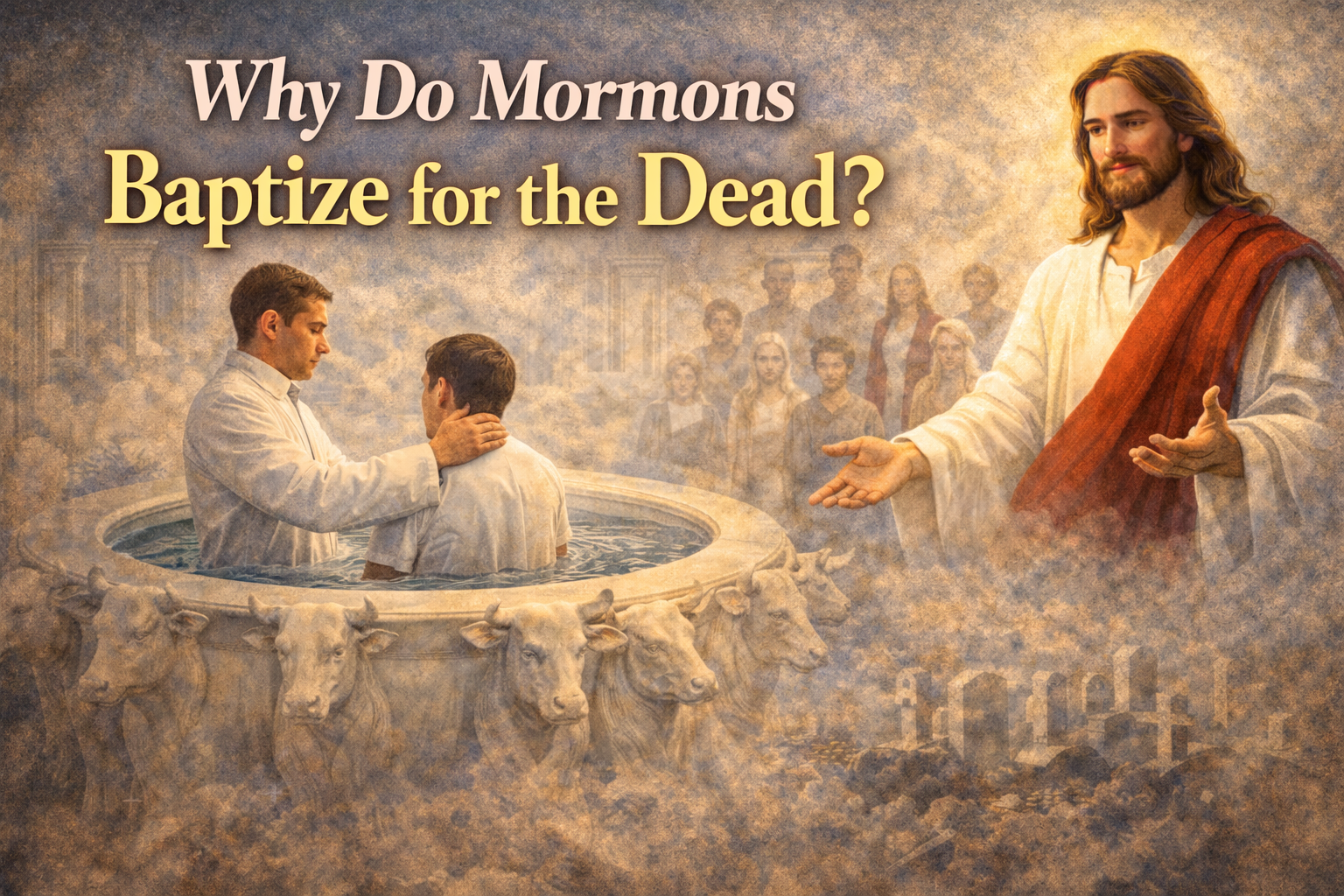
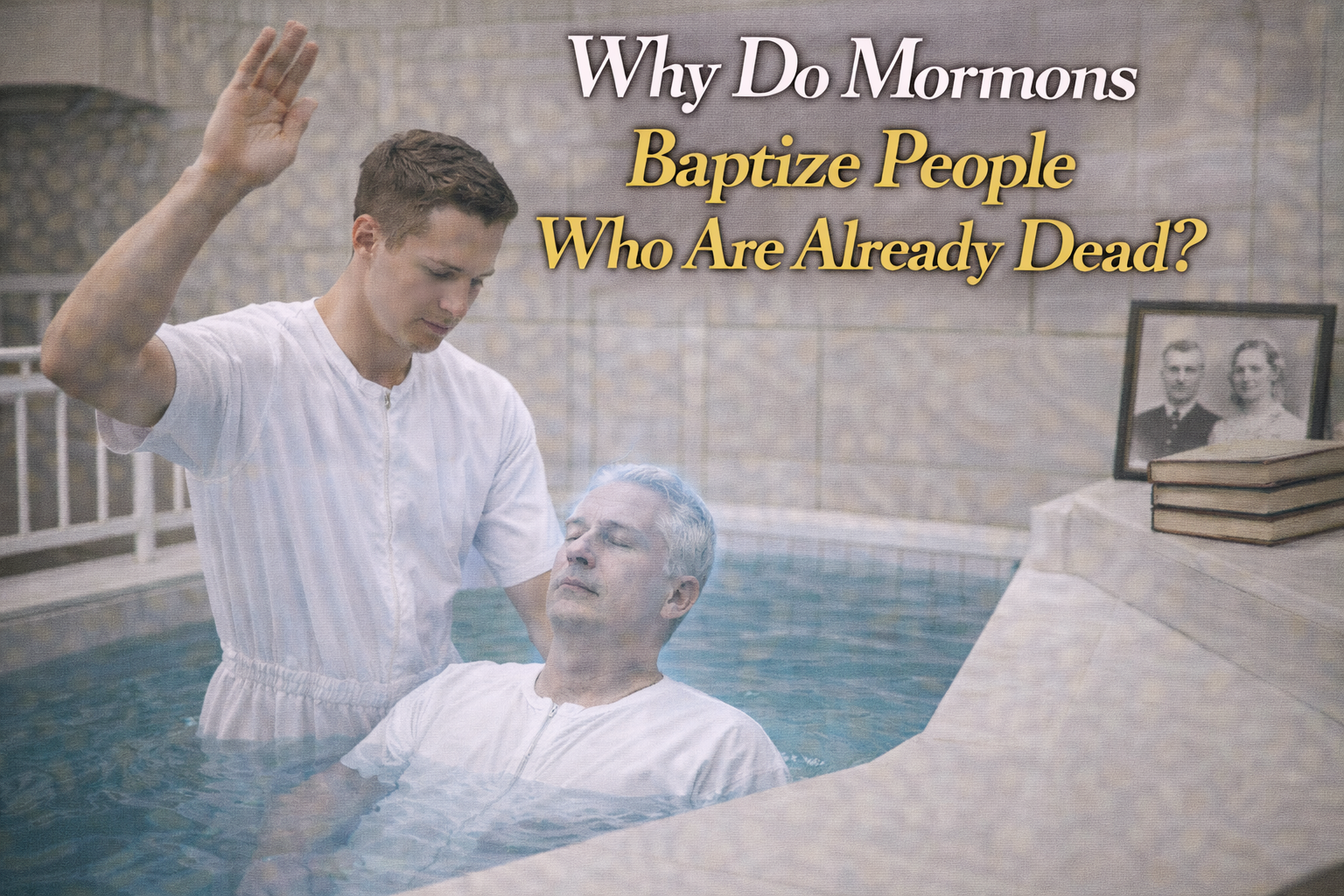
Baptism for the dead is a practice in which a living person is baptized on behalf of someone who has died. The living individual serves as a proxy, symbolically standing in place of the deceased person.
The ordinance is performed in the same manner as baptism for the living, but with one crucial difference: the ordinance has no effect unless the deceased person freely accepts it in the spirit world.
Nothing is forced. Nothing is automatic.
Voluntary Acceptance
A key principle underlying baptism for the dead is voluntary acceptance. Latter-day Saints believe individuals retain agency after death—the ability to choose, learn, and decide.
If a deceased person chooses not to accept the ordinance, it has no spiritual effect. The baptism does not override personal belief, identity, or choice.
This emphasis on agency is central to the practice.
Respect for Agency
Agency is a core principle in Latter-day Saint theology. God does not compel belief, obedience, or salvation.
Baptism for the dead reflects this respect. The ordinance offers opportunity, not coercion. It is an invitation, not a verdict.
From this perspective, proxy baptism is an act of service rather than control.
Biblical Foundations
Latter-day Saints believe baptism for the dead is not a modern invention, but a restored practice with biblical roots. They point especially to a passage in the New Testament where the apostle Paul references the practice.
In 1 Corinthians 15:29, Paul asks why people are baptized for the dead if the dead do not rise. While Paul does not explain the practice in detail, Latter-day Saints interpret this reference as evidence that early Christians were familiar with proxy ordinances.
Rather than condemning the practice, Paul appears to reference it as part of an existing belief system.
Early Christian Practice
Latter-day Saints believe this passage suggests baptism for the dead existed among early Christians, even if it later fell out of practice.
They argue that the lack of detailed explanation in scripture does not invalidate the practice, just as many early Christian practices are referenced without full description.
From this perspective, baptism for the dead fits within the broader pattern of restored doctrines.
Belief in Life After Death
Another essential belief supporting baptism for the dead is the belief that life continues after death. Latter-day Saints believe that death is not the end of consciousness or opportunity.
They teach that after death, individuals enter a spirit world where learning, reflection, and choice continue. This spirit world is not viewed as static or final, but as a continuation of God’s plan.
This belief creates space for growth and decision-making beyond mortality.
Ongoing Opportunity
In the Latter-day Saint view, the spirit world is a place of continued opportunity. Individuals who did not fully understand or accept the gospel in life may encounter it there.
Baptism for the dead ensures that when individuals are taught in the spirit world, they have the opportunity to accept required ordinances.
This belief aligns with the idea that God’s plan extends beyond the limits of mortal experience.
Justice and Mercy
Baptism for the dead reflects two core attributes of God: justice and mercy. Justice requires fairness and accountability. Mercy provides compassion and opportunity.
Without proxy ordinances, salvation would depend heavily on circumstance rather than choice. With them, opportunity becomes universal.
This balance is central to Latter-day Saint theology.
Perfect Fairness
Latter-day Saints believe God judges individuals based on what they knew, how they lived, and the opportunities they had. No one is condemned for ignorance or lack of access.
Baptism for the dead ensures that judgment is based on informed choice rather than historical accident.
This belief portrays God as both just and understanding.
Temple Worship and Sacred Space
Baptism for the dead is performed only in temples. Latter-day Saints consider temples the most sacred spaces on earth, set apart specifically for holy ordinances.
Performing proxy baptisms in temples emphasizes the seriousness and reverence of the practice. These ordinances are not casual or experimental, but deeply sacred.
Everything associated with temple worship is designed to foster respect and spiritual focus.
Sacred Ordinance
Temple baptisms are conducted prayerfully, quietly, and with solemn respect. Participants prepare spiritually before participating.
This reverent setting underscores the belief that the ordinance is not symbolic theater, but a sacred act with eternal implications.
Family History and Connection
One of the most visible effects of baptism for the dead is the emphasis on family history. Latter-day Saints are encouraged to identify their ancestors and perform ordinances on their behalf.
This practice fosters a sense of connection across generations. Remembering the dead becomes an act of love, gratitude, and service.
Family history work is seen as both spiritual and relational.
Connecting Generations
Baptism for the dead reinforces the belief that families can be united eternally. Learning about ancestors helps members see themselves as part of a larger story.
This connection strengthens identity, responsibility, and compassion. The past is not forgotten; it is honored.
Common Misunderstandings
A common misunderstanding is that Latter-day Saints believe they can convert the dead against their will. This is not the case. Acceptance is entirely voluntary.
Another misunderstanding is that proxy baptism diminishes the importance of faith in mortal life. Latter-day Saints believe mortal choices still matter deeply.
Some also assume the practice disrespects other religions. Latter-day Saints view it as an offering of opportunity, not a judgment on anyone’s beliefs.
Why This Belief Matters
Baptism for the dead reflects a vision of God as patient, fair, and deeply loving. It testifies that no one is forgotten, overlooked, or excluded from God’s plan because of circumstance.
For believers, this doctrine emphasizes agency, compassion, and eternal hope. It affirms that salvation is based on choice, not chance.
Ultimately, baptism for the dead expresses confidence that God’s plan includes all His children and that His mercy extends beyond the boundaries of mortal life.
Sources
The Church of Jesus Christ of Latter-day Saints – Gospel Topics: Baptism for the Dead
https://www.churchofjesuschrist.org
Doctrine and Covenants Central – Salvation for the Dead
https://doctrineandcovenantscentral.org
Scripture Central – Baptism for the Dead
https://scripturecentral.org