
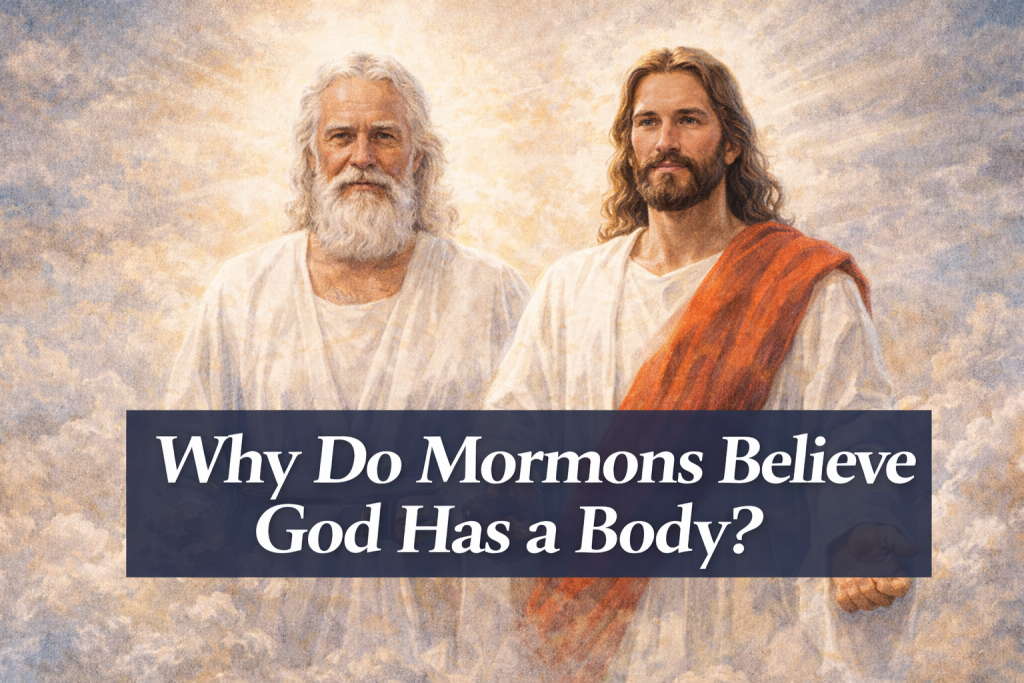
Why Do Mormons Believe God Has a Body?
…the book of Genesis, we read that humanity was created in God’s image and likeness. We understand this as a literal statement—that God has a form and that we resemble…
…the book of Genesis, we read that humanity was created in God’s image and likeness. We understand this as a literal statement—that God has a form and that we resemble…
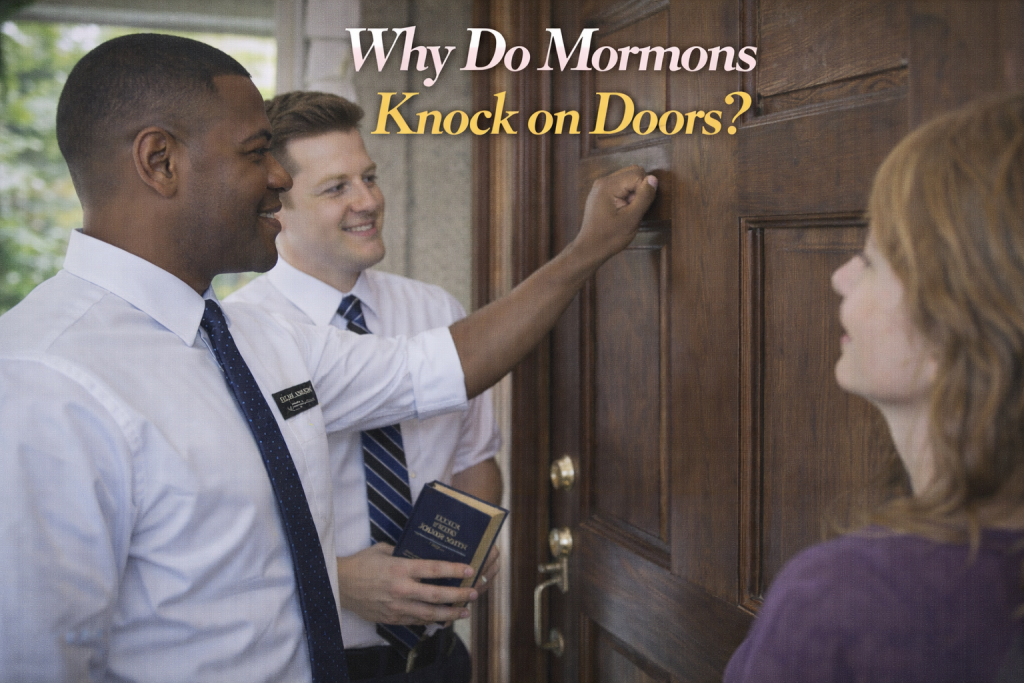
…of Jesus Christ is meant to be shared personally, not impersonally. While books, websites, and videos are valuable, they cannot replace genuine human interaction. Door-to-door missionary work reflects the belief…
Latter-day Saints oppose certain LGBTQ rights claims because those claims often conflict with core doctrines about gender, marriage, and the purpose of family life. The Church teaches that gender is…

Latter-day Saints do not drink coffee or tea because these drinks are prohibited by a health commandment known as the Word of Wisdom. This commandment specifically instructs members to avoid…
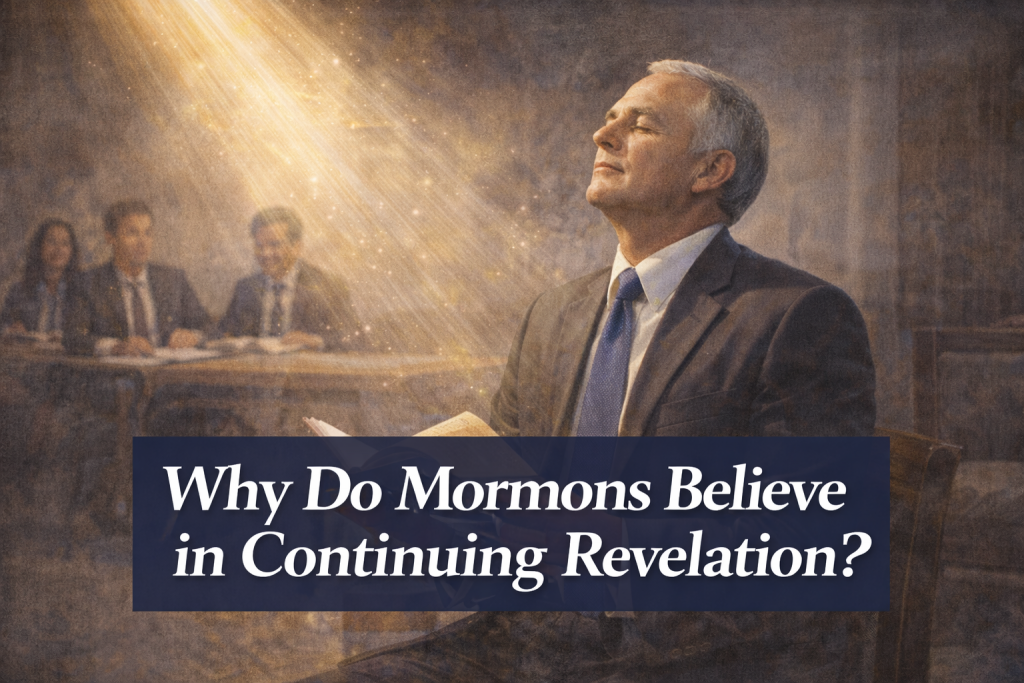
Throughout history, God has guided His people by speaking to them. Latter-day Saints believe this divine pattern did not end with the Bible, but continues today. This belief in continuing…
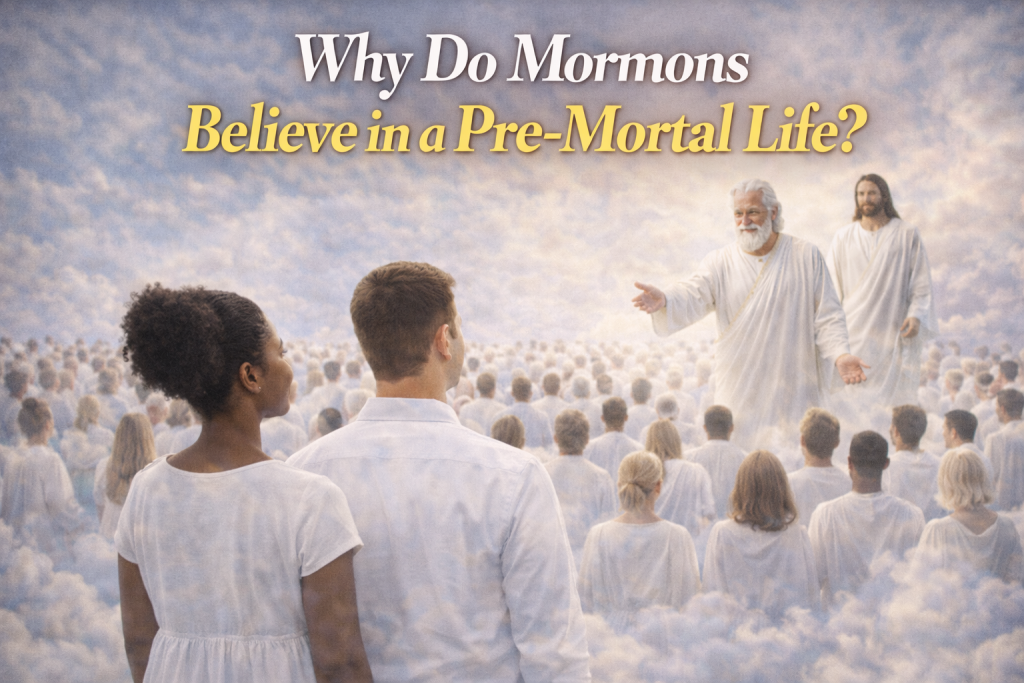
Long before birth, before names or nations, Latter-day Saints believe each person already existed. According to this belief, human life did not begin on earth but started with God in…
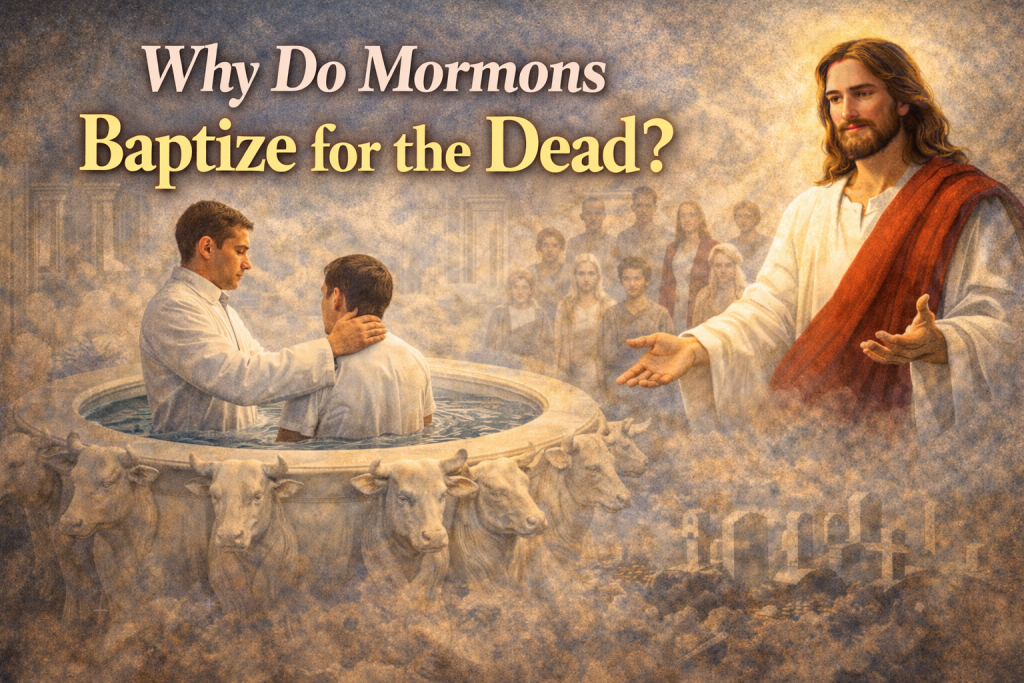
One of the most common questions people ask about Latter-day Saints is why they perform baptisms for the dead. At the heart of this belief is a deep trust in…
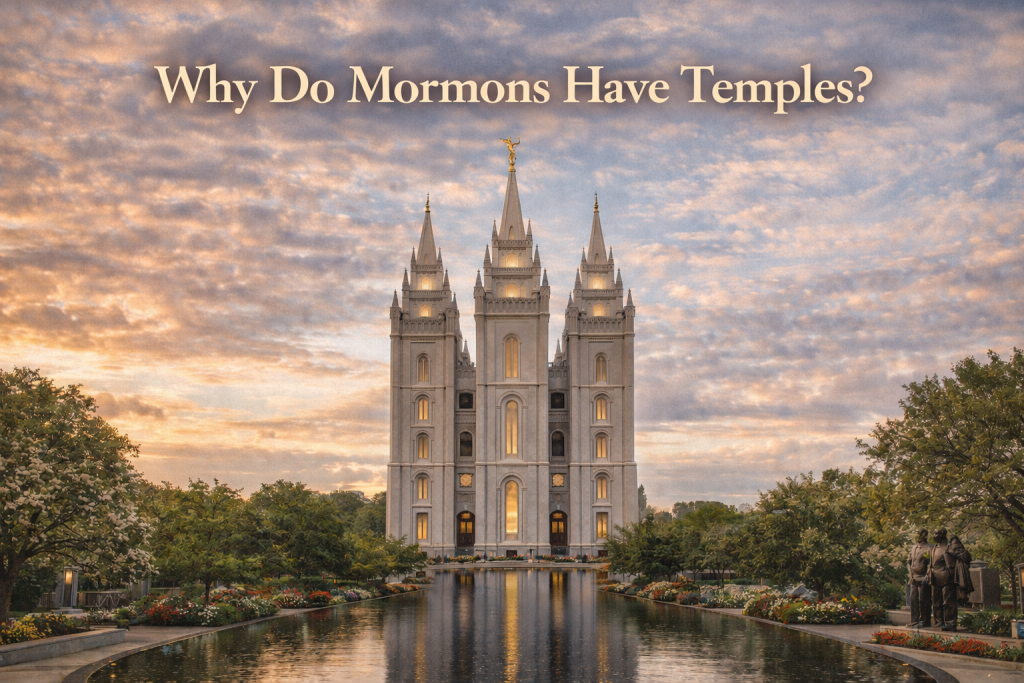
Latter-day Saints believe temples are sacred buildings set apart for purposes different from regular church meetinghouses. While weekly worship services take place in local chapels, temples are reserved for ordinances…
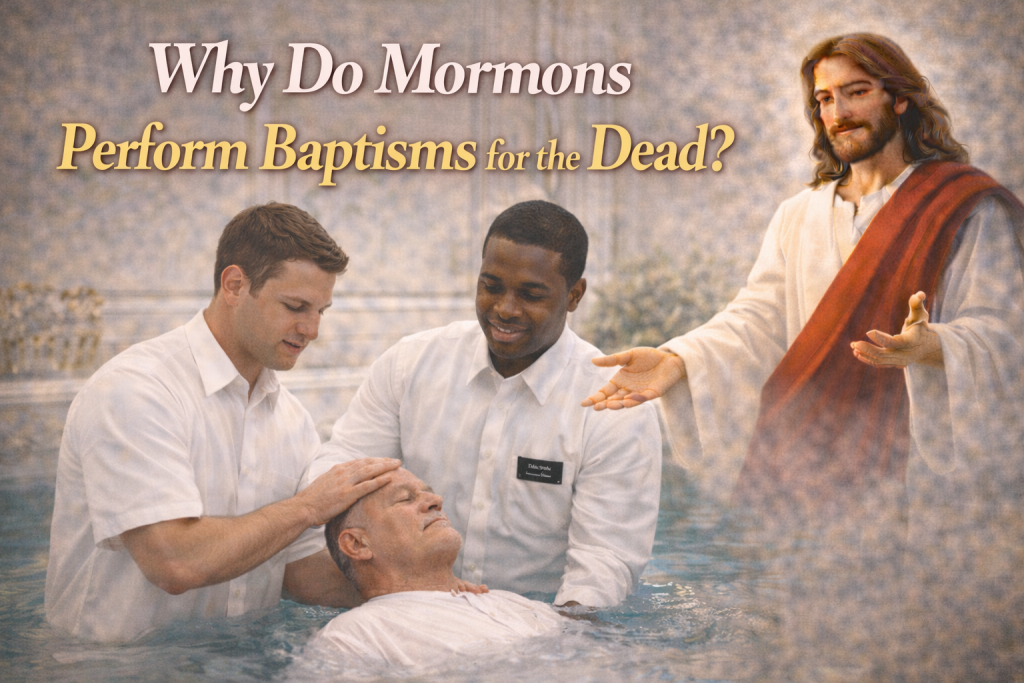
One of the most frequently asked questions about The Church of Jesus Christ of Latter-day Saints concerns a practice that many people find unusual or unfamiliar: baptisms for the dead….
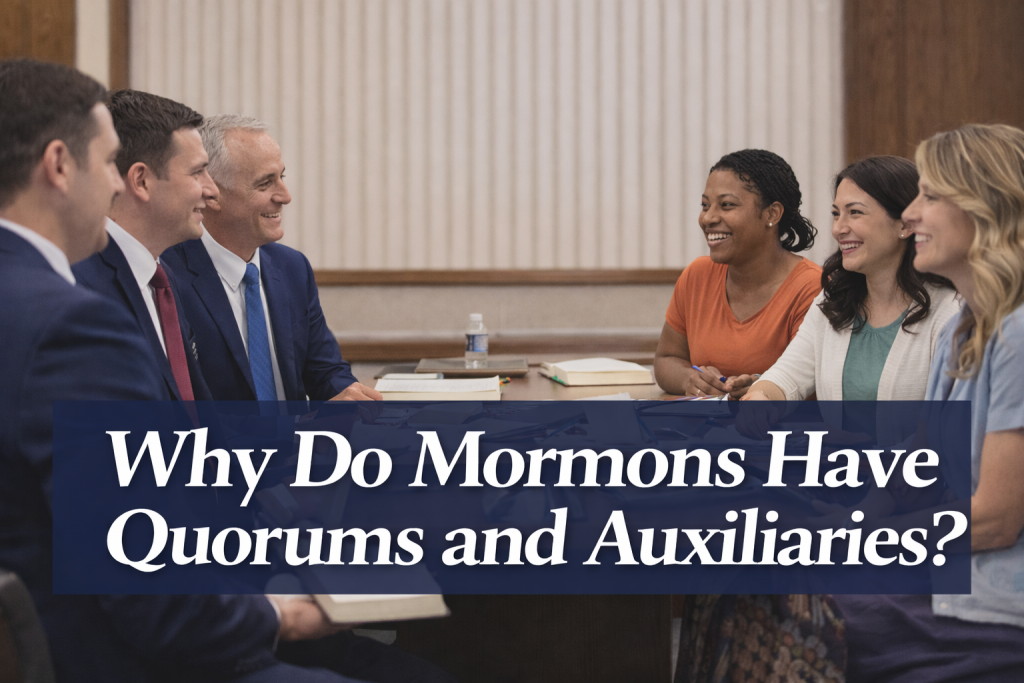
One of the most distinctive aspects of The Church of Jesus Christ of Latter-day Saints is its highly organized structure of quorums, auxiliaries, and councils. For many observers, this raises…