Category: Core Beliefs and Doctrine

  • Why Do Mormons Believe in Modern Prophets? The Truth Explained

    Why Do Mormons Believe in Modern Prophets? The Truth Explained

    Introduction

    Modern prophets

    Members of The Church of Jesus Christ of Latter-day Saints believe that God still speaks to humanity today. They believe He does this through living prophets, just as He did in biblical times. This belief shapes how Latter-day Saints understand revelation, guidance, authority, and God’s continuing involvement in the modern world.

    For Latter-day Saints, prophets do not replace Jesus Christ. Instead, they are witnesses of Jesus Christ, called to teach His gospel, testify of His reality, and guide the Church according to God’s will in changing circumstances.

    Belief in modern prophetic guidance reassures members that God is not distant or silent, but actively involved in the lives of His children.

    Biblical prophets and apostles teaching God’s people

    Modern Prophets

    In Latter-day Saint belief, a prophet is a person called by God to speak on His behalf. Living prophets teach eternal truths, warn against spiritual dangers, invite people to repent, and provide inspired direction for God’s people.

    Latter-day Saints also believe prophetic leaders can receive revelation for the Church as a whole. This includes clarifying doctrine, responding to moral and social challenges, and helping the Church remain centered on Jesus Christ while navigating modern life.

    Importantly, prophetic leadership is not political or predictive in nature. Its primary role is spiritual—to testify of Christ and guide people toward Him.

    What Are Living Prophets?

    A living prophet is understood as someone who receives divine guidance to lead God’s people in the present day. This belief reflects confidence that God’s communication with humanity did not end in ancient times.

    Through continuing revelation, prophetic leaders address new questions and circumstances while remaining faithful to eternal gospel principles.

    Biblical Foundation for Prophets

    The belief in prophetic leadership is deeply rooted in the Bible. Throughout the Old Testament, God guided His covenant people through prophets such as Moses, Isaiah, Jeremiah, Ezekiel, and many others. These individuals were not merely religious teachers; they were called to declare God’s word and lead people toward righteousness.

    The Bible teaches that God reveals His will through prophets. Amos 3:7 states that the Lord reveals His purposes to His servants the prophets, showing that prophecy is part of God’s established pattern for guiding His people.

    God’s consistent use of prophets demonstrates a stable pattern of divine communication across generations.

    Prophets in the Old and New Testament

    The New Testament also affirms prophetic and apostolic leadership. Jesus Christ personally called apostles, gave them authority, and promised divine guidance through the Holy Spirit. After His resurrection, He continued to instruct and lead His Church through authorized servants.

    Latter-day Saints see this pattern as evidence that God intended His Church to be guided by revelation rather than left solely to human interpretation. Jesus promised that the Holy Ghost would guide His followers into all truth, reinforcing belief in ongoing divine guidance.

    Joseph Smith and the Restoration

    Latter-day Saints believe that after the death of the original apostles, priesthood authority and many gospel truths were gradually lost or altered, a period commonly referred to as the Great Apostasy. While sincere believers preserved faith in Christ, Latter-day Saints believe divine authority and full revelation were no longer present.

    They believe God restored the fullness of the gospel through Joseph Smith, whom they sustain as a prophet. Rather than viewing this as the creation of a new religion, Latter-day Saints see the Restoration as the reestablishment of Christ’s original Church, including priesthood authority, ordinances, and modern prophetic authority.

    The First Vision

    Joseph Smith’s First Vision and the Restoration of modern prophecy

    Joseph Smith’s prophetic calling is closely connected to his account of the First Vision, in which he testified that he saw God the Father and Jesus Christ. Latter-day Saints believe this event marked the beginning of the Restoration and confirmed that God continues to reveal Himself to humanity.

    The First Vision is foundational because it affirms that God speaks, answers prayers, and calls prophets in the modern era.

    Living Prophets Today

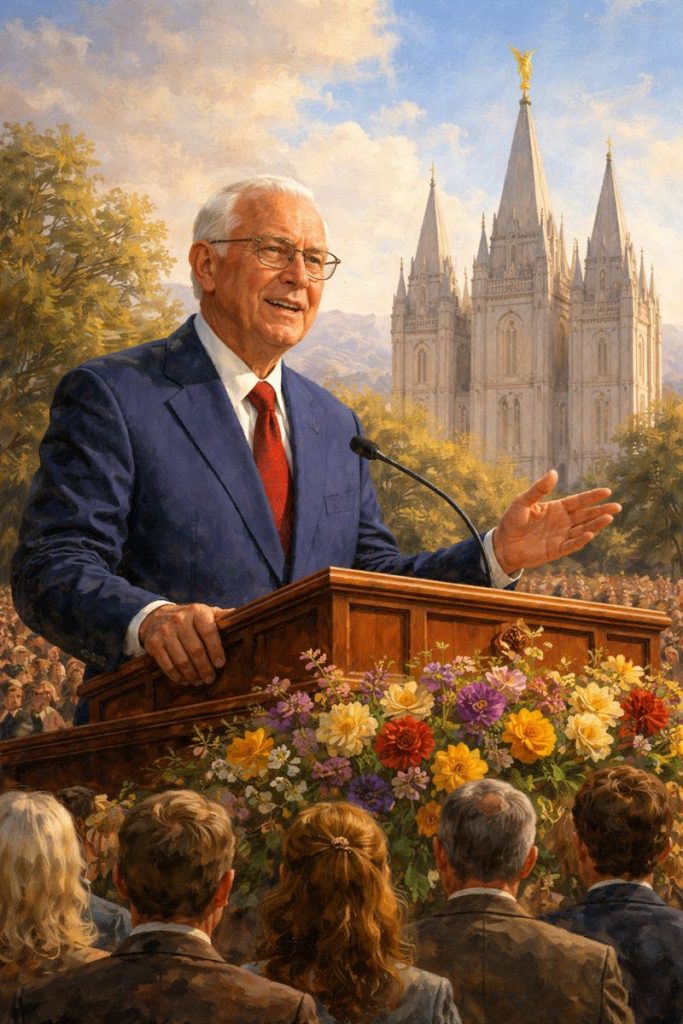
    Latter-day Saints believe God continues to call prophets today and that the President of the Church is sustained as a prophet, seer, and revelator. In their understanding, modern prophetic leadership provides inspired counsel, doctrinal clarity, and guidance suited to contemporary circumstances.

    This belief allows the Church to address modern challenges while remaining anchored in eternal gospel truths.

    Role of the President of the Church

    The President of the Church is not believed to be infallible. Latter-day Saints acknowledge that prophets are human and capable of mistakes. However, they believe prophets are called by God and receive revelation to guide the Church according to His will.

    Members sustain the President of the Church and other leaders through a public vote, symbolizing unity, trust, and shared commitment.

    How Prophets Guide Members Today

    Prophetic guidance today often focuses on strengthening families, encouraging moral living, promoting service, supporting mental and spiritual well-being, and helping individuals remain faithful during uncertain times.

    For many Latter-day Saints, living prophetic counsel provides reassurance and direction while keeping Jesus Christ at the center of their faith.

    Common Misunderstandings

    A common misunderstanding is that Latter-day Saints follow prophets instead of Jesus Christ. In reality, they believe prophets are servants of Christ whose role is to point people to Him.

    Another misunderstanding is that continuing revelation leads to constant doctrinal change. Latter-day Saints believe revelation builds upon eternal truths, offering clarification and application without contradicting foundational principles.

    Why This Belief Matters

    Belief in modern prophets reassures Latter-day Saints that God has not abandoned His children. It reinforces the idea that God answers prayers, provides guidance, and leads His Church today.

    Ultimately, prophets exist to invite all people to come unto Jesus Christ, follow His teachings, and receive His saving power.

    Sources

    The Church of Jesus Christ of Latter-day Saints – Gospel Topics: Prophets
    https://www.churchofjesuschrist.org

    Gospel Topics Essays – Prophets
    https://www.churchofjesuschrist.org/study/manual/gospel-topics-essays/prophets?lang=eng

    Scripture Central
    https://scripturecentral.org